


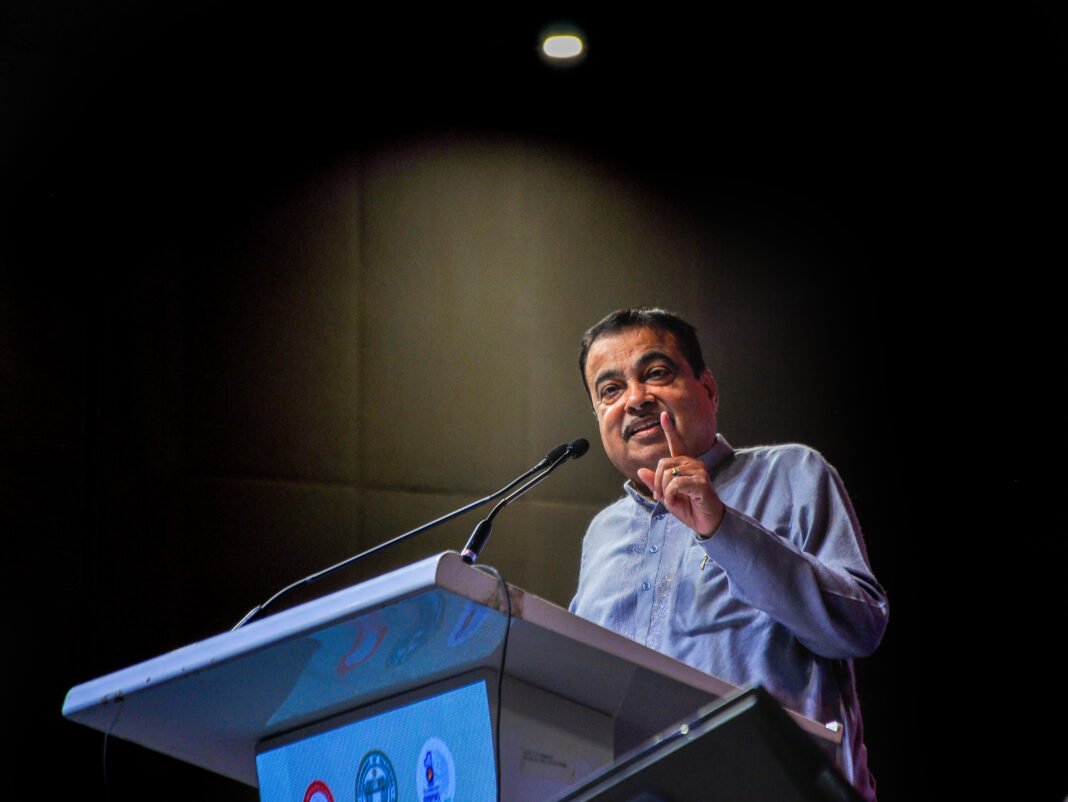
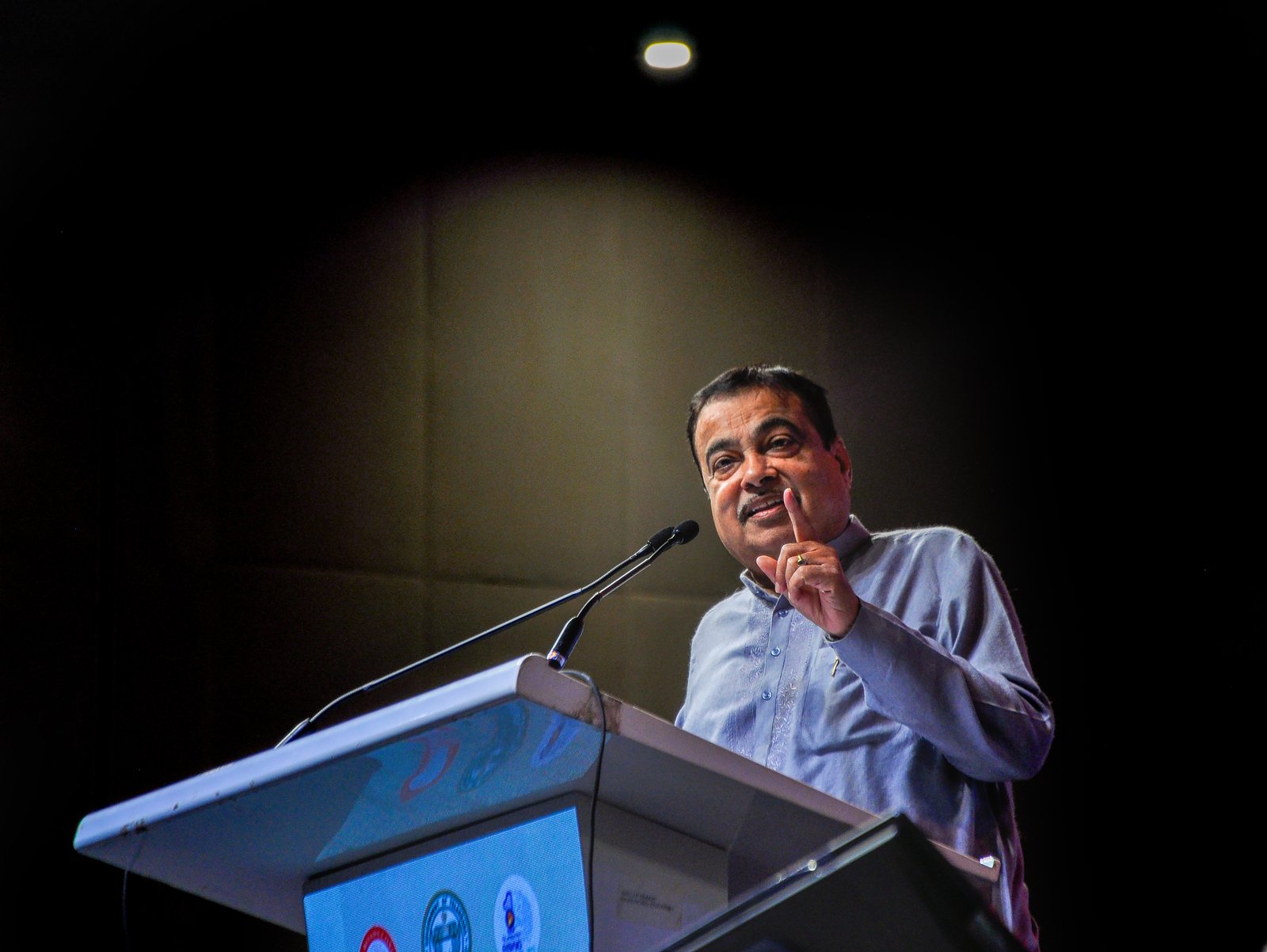


Hyderabad, Nov 19 (IANS) Union Minister for Road Transport and Highways Nitin Gadkari on Thursday called upon engineers, contractors, consultants and policymakers to work collectively towards improving the quality, safety, durability and sustainability of India’s road infrastructure.
Addressing the 85th Annual Session of the Indian Roads Congress (IRC) here, he acknowledged the dedicated efforts and technical expertise of the engineers, contractors and officials in the development of the country’s National Highway network.
He emphasised that continuous upgradation of knowledge, research, innovation and adoption of global best practices are essential for developing future-ready infrastructure.
Highlighting the role of the IRC in setting technical standards for the road sector, the minister noted that IRC has developed several technical codes, guidelines, manuals and publications that guide road infrastructure development in the country.
He urged the organisation to strengthen international cooperation and facilitate greater exchange of knowledge, technology and successful practices to keep Indian standards aligned with evolving global developments.
Gadkari stressed that quality, safety and durability must remain the foremost priorities in road construction. He called for greater accountability among contractors, consultants and engineers and stated that any compromise in construction quality must invite appropriate action.
He also emphasised transparent, time-bound and result-oriented implementation of highway projects.
The Union Minister underlined the need to improve the quality of Detailed Project Reports (DPRs), strengthen technical supervision and ensure effective implementation of road safety audits.
He urged engineers to identify and rectify accident-prone locations through proper planning, improved junction design, and provision of flyovers and underpasses wherever required.
Emphasising the importance of protecting human lives, he called for a collective commitment towards reducing road accidents and eliminating black spots through better engineering and design.
Emphasising the need to reduce construction costs while improving quality, the minister called for greater use of innovative and alternative construction materials. He highlighted the potential of plastic waste, used tyres, steel slag, municipal solid waste and agricultural residue in road construction, wherever technically suitable.
He also referred to the use of bio-bitumen developed from rice straw and highlighted the potential of research and field applications of alternative materials in promoting sustainable highway construction and reducing dependence on conventional resources.
The Minister encouraged wider adoption of alternative fuels and biofuels in construction equipment, including electric, ethanol, biodiesel, CNG, LNG and hydrogen-based technologies.
He highlighted their potential to reduce pollution, lower dependence on imported fossil fuels and create additional opportunities for farmers through the diversification of agricultural produce towards the energy sector.
Gadkari also called for greater use of treated wastewater in construction activities, particularly in view of increasing water stress. He highlighted the importance of recycling municipal waste and reusing available resources in infrastructure development.
He further encouraged research into tree transplantation and plantation along highways to strengthen environmental protection.
The minister highlighted the role of quality road infrastructure in improving connectivity, reducing travel time and logistics costs, and supporting trade, industry, agriculture and tourism.
Referring to the Pradhan Mantri Gram Sadak Yojana, he underlined the importance of connecting rural areas through all-weather road networks to improve access to markets and economic opportunities.
He also stressed the need to explore innovative financing mechanisms, including public-private partnerships and monetisation of existing highway assets, to mobilise resources for infrastructure development.
–IANS
ms/dan