
Govt strengthens quality checks for Ayush drugs, tightens e-commerce norms
New Delhi, July 21 (IANS) The government has strengthened quality assurance, regulatory compliance of Ayush drugs, including those sold on e‑commerce platforms through several regulatory measures and schemes, an official statement said on Tuesday.
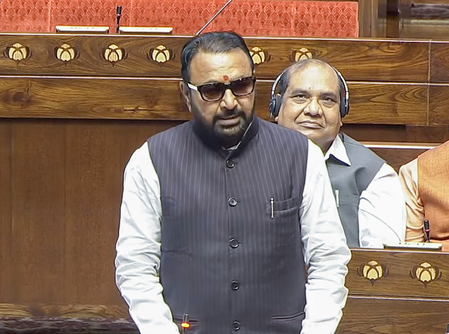
The Drugs & Cosmetics Act, 1940 and Drugs Rules, 1945 provide exclusive regulatory provisions for Ayurvedic, Siddha, Sowa‑Rigpa, Unani and Homoeopathy drugs and require manufacturers to meet licensing conditions to manufacture for sale, MoS Ayush Prataprao Jadhav said in Rajya Sabha.
Drug Inspectors of states or UTs collect medicine samples regularly from manufacturing firms or retail shops within their jurisdiction and send them to Drug Testing Laboratory for quality testing.
Samples found falling short of standard quality, will lead to legal actions as per Drugs and Cosmetics Act, 1940 and Rules made thereunder.
An Ayush vertical has been created in the Central Drugs Standard Control Organization (CDSCO) to strengthen regulatory measures ensuring safety and quality of Ayush drugs.
A Quality Certifications Scheme by the Quality Council of India grants Ayush Standard and Ayush Premium marks after third‑party evaluation, the statement noted.
The Ministry of Ayush implements a Central Sector Scheme namely, Ayush Oushadhi Gunavatta Evam Uttpadan Samvardhan Yojana (AOGUSY) to promote standardization, quality manufacturing, analytical testing, strengthen regulatory frameworks, safety monitoring and surveillance of misleading advertisements.
It supports manufacturers and MSMEs to upgrade pharmacies and drug testing laboratories toward WHO‑GMP and NABL standards.
The Ministry has launched the Ayush Suraksha Portal for real-time reporting and monitoring of misleading advertisements and suspected adverse drug reactions.
All India Institute of Ayurveda, has been designated as the nodal officer for issuing notices to digital intermediaries in respect of misleading advertisements relating to Ayush drugs.
E-commerce platforms have been advised to facilitate the sale of Ayush drugs only after the user uploads a valid prescription issued by a registered Ayurveda, Siddha or Unani medical practitioner, as applicable.
Further, all Research Councils and National Institutes under the ministry disseminate evidence-based information on Ayush products and systems through Information, Education and Communication (IEC) activities, publications, journals, outreach programmes, electronic and print media, and digital platforms.
—IANS
aar/pk
ICMR transfers three biomedical technologies to advance cancer, infectious disease solutions
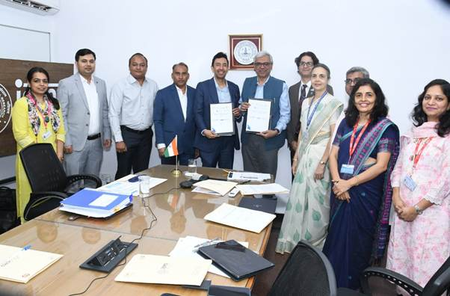
New Delhi, July 21 (IANS) The Indian Council of Medical Research (ICMR) has licensed three indigenous biomedical technologies to leading domestic pharmaceutical and vaccine makers for development, manufacturing and commercialisation, an official statement said on Tuesday.
These technology transfers mark another significant step towards accelerating the translation of publicly funded research into affordable healthcare solutions and strengthening India's biomedical innovation ecosystem, the statement from the Ministry of Health and Family Welfare said.
The technologies include SHetA2, a novel anti-HPV therapeutic candidate for the treatment of Cervical Intraepithelial Neoplasia (CIN), licensed to Emcure Pharmaceuticals Ltd.
The two next-generation vaccine technologies against enteric bacterial infections, developed at ICMR–National Institute of Research in Bacterial Infections (ICMR-NIRBI), Kolkata, were also licensed to Biological E Ltd.
SHetA2 was developed through a collaboration between Dr. Showket Hussain, ICMR National Institute of Cancer Prevention and Research (ICMR-NICPR) and Dr. Doris M. Benbrook, Stephenson Cancer Center, University of Oklahoma, USA.
It is a first-in-class targeted therapeutic candidate that selectively eliminates HPV-induced precancerous and cervical cancer cells while sparing healthy cells.
The technology has the potential to provide a safe, affordable and minimally invasive treatment option for cervical cancer, the statement added.
Vaccine technologies developed by the team include a fusion construct containing Salmonella typhi outer membrane protein as a promising next-generation typhoid vaccine candidate.
It also includes a recombinant vaccine composition against Salmonella typhi or paratyphi and Shigella infections, designed to provide broader protection against major enteric bacterial pathogens.
Together, these technologies have the potential to strengthen India's efforts in cancer prevention and infectious disease control while advancing indigenous development of next-generation therapeutics and vaccines.
ICMR has established an integrated innovation ecosystem that supports healthcare technologies across the innovation continuum—from discovery and intellectual property protection to clinical validation, regulatory facilitation and commercialisation, the statement said.
—IANS
aar/ag
Gujarat reports 63 suspected Chandipura virus cases, confirms eight deaths
Gandhinagar, July 20 (IANS) Gujarat has confirmed 12 cases of Chandipura virus (CHPV) out of 63 suspected infections reported this year, with the state government intensifying surveillance, treatment, and vector control measures as laboratory testing continues on the eight remaining samples.
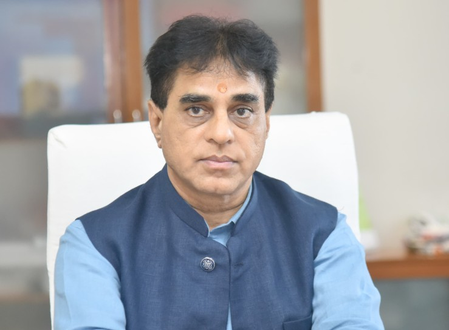
The current situation was reviewed at a meeting chaired by Health Minister Praful Pansheriya on Monday, who directed officials to conduct detailed investigations into the travel history and case history of infected patients to better understand the source of transmission.
According to the Health and Family Welfare Department, 55 of the 63 suspected samples have been tested so far, of which 12 were found positive.
Nine of the confirmed cases are from Gujarat, while three patients are from neighbouring Rajasthan. Eight laboratory reports are still awaited. The department confirmed that eight of the 12 confirmed patients have died.
Providing district-wise details, the Health Minister said two confirmed cases have been reported each from Panchmahal and Kheda districts, while one case each has been recorded in Sabarkantha, Mehsana, Bharuch, Bhavnagar, and the Ahmedabad Municipal Corporation area.
The minister said, "Once a case is reported from a particular area, intensive surveillance in that pocket becomes essential."
He instructed officials to carry out a detailed examination of patients' travel history and case history to understand the source of the virus.
The Health Department said all 63 suspected patients have been admitted to medical colleges, district hospitals or multispeciality hospitals and are receiving treatment.
Samples from every suspected case are being sent to the Gujarat Biotechnology Research Centre (GBRC) in Gandhinagar for laboratory testing. Rapid Response Teams are investigating every suspected case and conducting focal surveillance in affected areas.
The state has also undertaken vector control measures, including dusting and spraying, along with Information, Education and Communication (IEC) activities to raise public awareness.
Officials said extensive health screening has been conducted in thousands of kutcha and pucca houses across affected areas.
Dusting operations are being carried out on a war footing around kutcha houses and cattle sheds to control sand flies and other insects believed to transmit the virus.
The Health Department added that paediatric intensive care unit beds, essential medicines and ventilators have been made available at civil hospitals and superspeciality hospitals across all district headquarters.
In collaboration with the Indian Academy of Paediatrics, 1,993 paediatricians across Gujarat have also received training through Continuing Medical Education (CME) programmes. "117 sand fly samples have been tested across the state so far, and all have returned negative results," officials added.
Chandipura virus was first identified in 1965 in the village of Chandipura in Maharashtra. It is primarily transmitted by sand flies and mainly affects children under 15.
The infection can cause sudden fever, vomiting, seizures, and unconsciousness, and, in severe cases, may lead to Acute Encephalitis Syndrome (AES).
Pansheriya said the virus is generally more active during the monsoon season and until September. "As the virus primarily affects young children, if any child develops symptoms such as sudden high fever, seizures, vomiting, diarrhoea or unconsciousness, parents should immediately contact the nearest government hospital or a paediatric specialist without wasting any time," he said.
Appealing to the public to remain vigilant, the department advised parents to seek immediate medical attention if children develop symptoms such as fever, vomiting, seizures, or unconsciousness.
It also urged people to avoid self-medication, wear full-sleeved clothing, use mosquito nets and maintain cleanliness around their homes to minimise contact with sand flies.
--IANS
mys/dan
India approves first dengue vaccine QDENGA for people aged 4-60 years
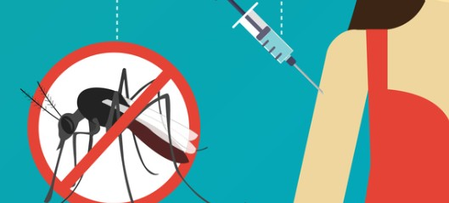
New Delhi, July 20 (IANS) India has approved its first dengue vaccine, with the Drug Controller General of India (DCGI) granting market authorisation to Takeda Biopharmaceuticals India's QDENGA, marking a significant milestone in the country's efforts to combat one of its most widespread mosquito-borne diseases, it was announced on Monday.
The vaccine has been approved for individuals aged between 4 and 60 years and can be administered irrespective of whether a person has previously been infected with dengue.
Unlike some earlier dengue vaccines, QDENGA does not require pre-vaccination screening, allowing eligible individuals to receive the vaccine without undergoing tests to determine prior dengue infection.
Takeda said the approval strengthens India's dengue prevention strategy at a time when the country continues to bear one of the world's highest disease burdens, with all four dengue virus serotypes circulating in several regions.
"Since its launch in 2022, QDENGA has been approved in 43 countries, with more than 32 million doses distributed globally. This approval marks an important step forward in strengthening dengue prevention in India," said Mahender Nayak, Head of Intercontinental Markets at Takeda.
The company said the approval was supported by evidence from its global clinical development programme, comprising 19 Phase I, II and III clinical trials involving more than 28,000 participants across dengue-endemic and non-endemic countries.
The Indian regulator also considered data from the Phase III DEN-302 clinical trial conducted in India, which evaluated the vaccine's safety and immune response among individuals aged 4 to 60 years.
According to Takeda, long-term follow-up data collected over seven years demonstrated that QDENGA continues to provide protection against dengue infection and dengue-related hospitalisation caused by all four virus serotypes.
The vaccine is administered as two subcutaneous injections of 0.5 ml each, given three months apart.
Goh Choo Beng, Medical Affairs Head for Takeda's Southeast Asia and India Cluster, said the vaccine is designed to protect against all four dengue virus serotypes regardless of previous exposure.
"Its approval represents an important step in strengthening India's comprehensive approach to dengue prevention, alongside vector control, surveillance, community awareness and other public health measures," he said.
--IANS
pk
Fight against cancer, diabetes need a people’s movement, not just hospital-based care: Dr Jitendra Singh
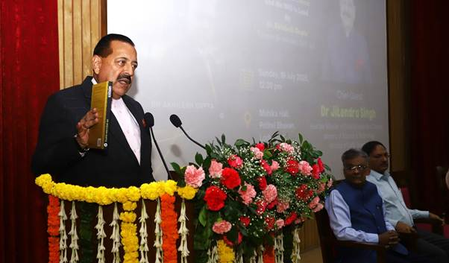
New Delhi, July 19 (IANS) Union Minister of State (Independent Charge) for Science and Technology Dr Jitendra Singh on Sunday called for a nationwide ‘Jan Andolan’ against cancer, diabetes, obesity and other non-communicable diseases, saying India's response to the growing burden of lifestyle disorders must extend beyond hospitals and evolve into a mass public movement focused on prevention, early diagnosis and evidence-based healthcare.
Addressing the launch of "UNBROKEN: My Battle with Cancer and the Will to Lead", authored by cancer survivor and former Department of Science and Technology Senior Adviser Dr Akhilesh Gupta, the minister said the country faces not only a rising burden of non-communicable diseases but also the growing challenge of health-related misinformation.
“India's response to the growing burden of Cancer, Diabetes, obesity and other non-communicable diseases must move beyond hospitals and become a mass public movement centred on early detection, right medical advice and evidence-based healthcare,” the minister mentioned.
He stressed that scientific communication and evidence-based medical advice have become more important than ever in achieving the vision of Viksit Bharat.
“The country today faces not merely a lack of awareness but also the challenge of widespread health misinformation, making scientific communication and evidence-based health communication more important than ever for realizing the vision of Viksit Bharat,” Dr Singh mentioned.
The minister said cancer, diabetes, obesity, fatty liver disease and other metabolic disorders are emerging as some of India's biggest public health challenges and are increasingly affecting younger age groups.
“Many cancers are now treatable or manageable if detected early, making timely screening and prompt medical intervention crucial to improving survival rates,” Dr Singh explained.
Expressing concern over rising obesity and unhealthy lifestyles, the minister said preventive healthcare should become a national habit rather than an individual choice.
“Balanced nutrition, regular physical activity and periodic health check-ups, must become integral to everyday life if India is to reduce the growing burden of lifestyle diseases,” he mentioned.
--IANS
pk
ICMR drone project reduces TB diagnosis time, eases patient burden
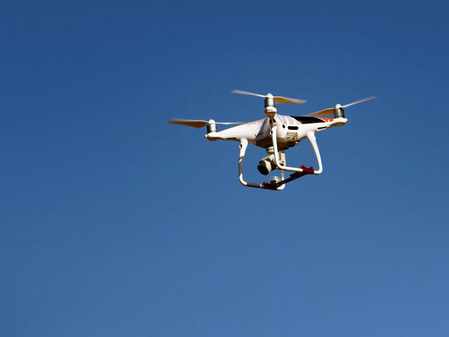
New Delhi, July 16 (IANS) The Indian Council of Medical Research’s flagship i-DRONE initiative demonstrated that drone‑assisted transport of TB sputum samples improved access to diagnostic services for people living in remote and underserved areas in the Yadadri‑Bhuvanagiri district, Telangana, the government said on Thursday.
The program enrolled 840 participants and found that the median turnaround time for TB diagnosis decreased from 15 days to 5 days following the introduction of drone-based sample transport, an official statement said.
Diagnostic delays were also significantly reduced, enabling earlier confirmation of disease and facilitating faster clinical decision-making.
The study compared the conventional system of patient travel for TB diagnosis with a drone-enabled model in which sputum samples were collected at nearby Primary Health Centres (PHCs) and sub-centres (SCs) and transported by drones to designated TB diagnostic laboratories (TUs), the statement from Ministry of Health and Family Welfare said.
The mean out‑of‑pocket expenditure for patients dropped from about Rs 9,451 to Rs 91. The intervention reduced travel costs and wage loss by enabling local sputum collection. Notably, the median OOPE during the drone phase was zero, indicating that many participants incurred no travel-related expenses for diagnosis.
The intervention was implemented through a hub-and-spoke network connecting 11 Primary Health Centres, 60 sub-centres and four TB Units, allowing patients to submit sputum samples at health facilities nearer to their villages instead of travelling long distances to diagnostic centres.
"Affordable and timely access to diagnosis remains central to India's TB elimination efforts. This study demonstrates how technology can help bridge geographical barriers and reduce the burden on patients, particularly those living in remote areas," said Dr. Rajiv Bahl, Secretary, Department of Health Research and Director General, ICMR.
The evidence generated through the i-DRONE initiative will inform future public health innovations while complementing existing healthcare delivery systems, he added.
Healthcare workers reported that drone-enabled transport reduced delays, improved operational efficiency and was well accepted by communities after initial familiarisation.
The study also identified operational considerations such as weather, payload limitations and the need for continued training, underscoring the importance of careful planning for wider implementation.
—IANS
aar/ag
Govt unveils Rs 1,500 crore biomedical research initiative to boost healthcare innovation
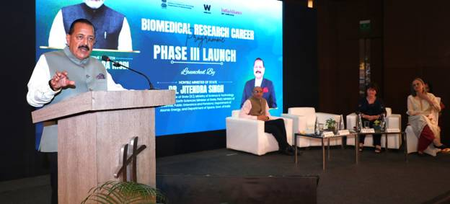
New Delhi, July 15 (IANS) The Central government launched Phase‑III of the Biomedical Research Career Programme with a total outlay of Rs 1,500 crore to expand fellowships, research grants and translating discoveries into practical healthcare applications, an official statement said on Wednesday.
The outlay includes Rs 1,000 crore from the Department of Biotechnology and Rs 500 crore from the London‑based Wellcome Trust, the statement from the Ministry of Science & Technology said.
The programme aims to nurture a globally competitive biomedical research workforce comprising basic scientists, clinician-researchers, public health experts, science communicators and research managers while creating greater opportunities for interdisciplinary and collaborative research, said Union MoS Science & Technology, Earth Sciences, Dr. Jitendra Singh.
He added that the initiative would also attract new philanthropic and international partnerships, multiplying the impact of India's investments in biomedical science.
Dr Singh said biotechnology is set to become the defining force behind India's next phase of economic growth, scientific advancement and global competitiveness
The minister noted India’s bioeconomy has expanded nearly twenty‑fold from $10 billion in 2014 to more than $195 billion in 2025 and is projected to touch $300 billion by 2030.
India today hosts nearly 12,000 biotechnology startups, has emerged among the world's leading vaccine manufacturers, and is steadily strengthening its position as a global biotechnology hub.
The programme included the ceremonial launch of Phase-III, interactions with researchers whose careers have been shaped through the initiative, and presentations showcasing the programme's scientific achievements and long-term impact.
The minister said the programme demonstrates how long-term partnerships can accelerate scientific discovery, develop world-class human resources and build research ecosystems capable of addressing national as well as global health challenges.
He also called for greater participation by philanthropic institutions and industry, as India has abundant scientific talent and innovative ideas, but sustained financial partnerships remain essential for translating research into technologies, diagnostics and affordable healthcare solutions.
--IANS
aar/pk
Indian Pharmacopoeia Commission inks pact with UPPPC to promote quality, innovation

New Delhi, July 15 (IANS) The Indian Pharmacopoeia Commission (IPC) has signed a Memorandum of Understanding (MoU) with the Uttar Pradesh Promote Pharma Council (UPPPC) to strengthen quality standards, regulatory compliance and innovation in the pharmaceutical and medical device sectors, it was announced on Wednesday.
The Ministry of Health and Family Welfare said that the agreement was signed during the YEIDA MedTech Investors Meet and Site Visit 2026, held at the India Expo Mart.
The strategic partnership aims to strengthen the pharmaceutical and medical device ecosystem by promoting quality standards, regulatory excellence, innovation and capacity building across the sector, according to the ministry.
Under the pact, IPC and UPPPC will work together to strengthen quality standards and regulatory compliance in the pharmaceutical and medical device industries while promoting awareness of the Indian Pharmacopoeia, pharmacovigilance and materiovigilance.
In addition, the two organisations will organise joint training programmes, workshops and stakeholder awareness initiatives to enhance industry capabilities.
The partnership will focus on fostering research, innovation and industry-academia collaborations, while supporting micro, small and medium enterprises (MSMEs) through digital tools for adverse event reporting.
The MoU also aims to enhance patient safety by strengthening quality assurance and post-market surveillance mechanisms, the ministry said.
It further noted that the collaboration reflects IPC's continued commitment to advancing high-quality healthcare standards, supporting innovation and strengthening India's regulatory framework.
The initiative is also expected to contribute to the growth of Uttar Pradesh as a leading hub for pharmaceuticals, medical devices and healthcare technologies.
According to the ministry, the partnership seeks to build a stronger ecosystem that promotes quality, safety, innovation and global competitiveness in the pharmaceutical and medical technology sectors.
Earlier in April, the IPC signed two MoUs with government institutes to strengthen quality assurance, ensure rational use of medicines, pharmacovigilance and collaborative research.
--IANS
ag/
India-origin pharma patents jump four-fold, innovation pipeline tops 1,095: Report

New Delhi, July 15 (IANS) India-origin pharmaceutical patent families have risen more than four-fold over the past decade, while the country's drug discovery pipeline has expanded to more than 1,095 programmes across 195 companies, signalling a rapid shift from generics-led manufacturing to innovation-driven research, a report showed on Wednesday.
According to a joint report by Boston Consulting Group (BCG) and HealthKois, the country is at a juncture where the next five years will determine whether it can transform its strengths in scientific talent, cost competitiveness and data into a globally competitive life sciences innovation ecosystem.
Pharma patent families originating from India increased more than four-fold to 2,995 in 2024 from around 716 in 2015, while private equity and venture capital investment in the pharmaceutical sector more than doubled to $731 million in FY26, it said.
During the same period, the number of biotech startups rose from nearly 1,500 to 2,400. India’s share of global pharma patents from 3–4 per cent to about 10 per cent is qualitative, not just quantitative, the report said.
Moreover, India has already produced more than 10 novel drug assets over the past decade, with companies increasingly moving beyond generics and biosimilars to develop, license and commercialise innovative medicines for global markets, the report noted.
It highlighted four key drivers behind the momentum like nearly $5 billion in government funding for early-stage and translational research, stronger academia-industry collaboration, regulatory reforms that have reduced drug development timelines from 180-270 days to 60-120 days and shared research and manufacturing infrastructure such as Genome Valley and C-CAMP.
The report also pointed to early success stories, including BIRSA 101, India's first indigenously developed CRISPR-based therapeutic and NexCAR19 -- an indigenous CAR-T therapy priced at nearly one-tenth the cost of comparable overseas treatments.
"India's innovation trajectory is gaining real momentum, and its evolution into a sustained innovation engine is well underway," said Priyanka Aggarwal, Managing Director and Senior Partner at BCG India and Southeast Asia.
"We are seeing India-origin science licensed by global pharma majors and indigenous CAR-T therapies treating patients at a fraction of the global cost. Capital that understands the science and is willing to back it through the early, uncertain years will be the difference between a handful of breakout successes and a durable innovation engine," said Charles Janssen, Co-Founder and Managing Partner, HealthKois.
India's biggest opportunity lies in combining its cost advantage, scientific talent and large, diverse patient datasets to build globally competitive innovation platforms rather than competing solely on frontier science, according to the report.
--IANS
ag/
India secures major win at Codex Commission, gets 7 food standards adopted
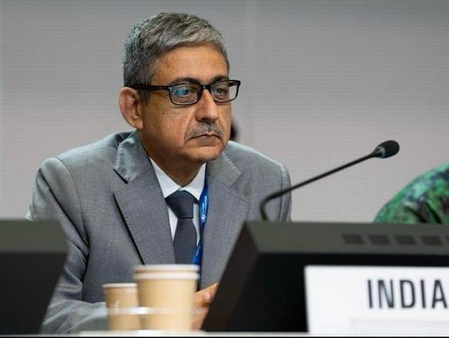
New Delhi, July 14 (IANS) The 49th Session of the Codex Alimentarius Commission in Geneva India adopted seven Codex standards and guidelines developed under India's chairmanship and co-chairmanship, reinforcing the country's contribution to the development of science-based international food standards, an official statement said on Tuesday.
In another major achievement, the Commission approved India's proposal to undertake new work for the development of a Codex Standard for Cashew Kernels.
The Indian delegation, led by Rajit Punhani, Chief Executive Officer, Food Safety and Standards Authority of India (FSSAI), participated actively in the Commission’s deliberations along with technical experts from FSSAI and Spices Board.
The commission adopted standards for dried coriander seeds and fresh curry leaves both developed under India's chairmanship and five Codex texts developed under India’s co‑chairmanship.
The Standard for Dried Coriander Seeds would facilitate trade in one of the world's most widely traded spices, while the Standard for Fresh Curry Leaves provides an international benchmark for this regionally important culinary herb.
Five Codex texts include the standards for vanilla and large cardamom which establish internationally harmonized quality requirements for these globally traded commodities.
Further, they include annexes to guidelines on the safe use and reuse of water in food production and processing, the statement from the Ministry of Health and Family Welfare said.
"The guidelines for the control of campylobacter and salmonella in chicken meat, strengthening measures to reduce foodborne illnesses associated with poultry; and the provisions relevant to joint presentation and multipack formats under the general standard for the labelling of prepackaged foods, providing greater clarity and consistency in food labelling requirements" were other codex texts.
The ministry said the commission also approved India’s proposal to undertake new work to develop a Codex Standard for Cashew Kernels under the Codex Committee on Processed Fruits and Vegetables.
The new standard is expected to facilitate fair trade, reduce technical barriers to trade, strengthen market access for Indian exports by enhancing its competitiveness in the global cashew trade.
—IANS
aar/pk