
India secures major win at Codex Commission, gets 7 food standards adopted
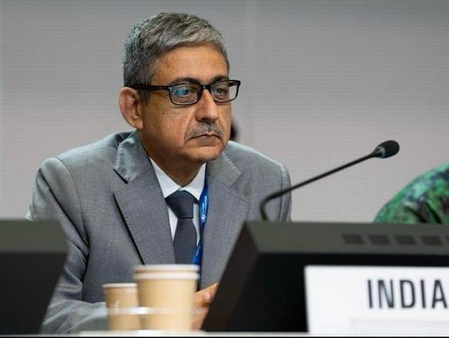
New Delhi, July 14 (IANS) The 49th Session of the Codex Alimentarius Commission in Geneva India adopted seven Codex standards and guidelines developed under India's chairmanship and co-chairmanship, reinforcing the country's contribution to the development of science-based international food standards, an official statement said on Tuesday.
In another major achievement, the Commission approved India's proposal to undertake new work for the development of a Codex Standard for Cashew Kernels.
The Indian delegation, led by Rajit Punhani, Chief Executive Officer, Food Safety and Standards Authority of India (FSSAI), participated actively in the Commission’s deliberations along with technical experts from FSSAI and Spices Board.
The commission adopted standards for dried coriander seeds and fresh curry leaves both developed under India's chairmanship and five Codex texts developed under India’s co‑chairmanship.
The Standard for Dried Coriander Seeds would facilitate trade in one of the world's most widely traded spices, while the Standard for Fresh Curry Leaves provides an international benchmark for this regionally important culinary herb.
Five Codex texts include the standards for vanilla and large cardamom which establish internationally harmonized quality requirements for these globally traded commodities.
Further, they include annexes to guidelines on the safe use and reuse of water in food production and processing, the statement from the Ministry of Health and Family Welfare said.
"The guidelines for the control of campylobacter and salmonella in chicken meat, strengthening measures to reduce foodborne illnesses associated with poultry; and the provisions relevant to joint presentation and multipack formats under the general standard for the labelling of prepackaged foods, providing greater clarity and consistency in food labelling requirements" were other codex texts.
The ministry said the commission also approved India’s proposal to undertake new work to develop a Codex Standard for Cashew Kernels under the Codex Committee on Processed Fruits and Vegetables.
The new standard is expected to facilitate fair trade, reduce technical barriers to trade, strengthen market access for Indian exports by enhancing its competitiveness in the global cashew trade.
—IANS
aar/pk
Ayush aims to become integral part of broader digital health ecosystems
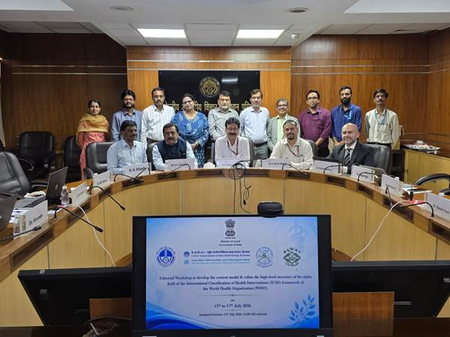
New Delhi, July 14 (IANS) Incorporating standardised health terminologies will ensure Ayush interventions become an integral part of broader digital health ecosystems, matching modern health informatics standards, according to Vaidya Rajesh Kotecha, Secretary, Ministry of Ayush.
The Ayush Ministry has launched a five-day workshop on WHO-ICHI Framework for Ayurveda, Siddha and Unani systems, which marks an important step towards positioning India's traditional medicine systems within the global digital health ecosystem and universal health coverage frameworks.
Kotecha said that this initiative is much more than a coding exercise.
“It represents a transformational step towards positioning India's traditional medical systems within the global scientific, digital, and policy ecosystem,” he said at the inaugural session.
Dr Kavita Jain, Joint Secretary, Ministry of Ayush, detailed the long-term policy impacts of incorporating traditional practices into digital documentation and global health systems.
Global operational context was shared by Dr. Geeta Krishnan, Unit Head, GTMC Jamnagar, alongside key addresses from WHO representatives Dr. Robert Jakob, Data Standards and Informatics Team Leader, and Dr Stephane Espinosa, Consultant, WHO, who focused on global interoperability and alignment with digital informatics.
The workshop is being organised by the Central Council for Research in Ayurvedic Sciences (CCRAS) through its World Health Organization Collaborating Centre, the National Institute of Indian Medical Heritage (NIIMH), Hyderabad.
It brings together leading scientific experts, institutional heads, and international informatics professionals to finalise a scientifically robust, layered hierarchy of National Health Intervention Codes (NHIC) for Ayurveda, Siddha, and Unani (ASU) systems.
The workshop builds upon the base drafts prepared during the consultative meetings held in May 2026.
The expert-validated repository currently covers 13 specialties, 76 therapies and 714 procedures for Ayurveda; 25 specialties, 130 therapies and 996 procedures for Siddha; and 15 specialties, 179 therapies and 551 procedures for Unani, said the statement.
—IANS
na/
SC upholds relief for CRPF constable removed after losing vision, grants Rs 1.25 crore compensation
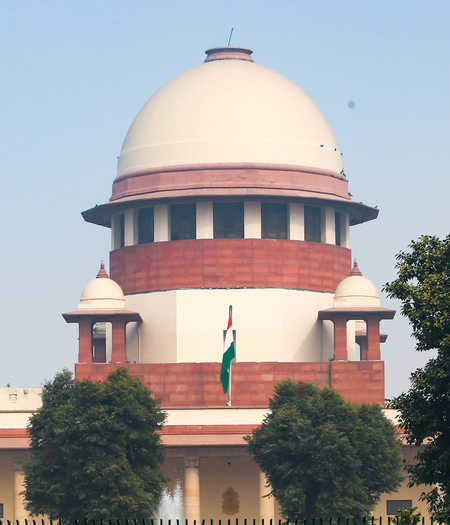
New Delhi, July 13 (IANS) The Supreme Court on Monday upheld a Himachal Pradesh High Court verdict holding that the Central Reserve Police Force (CRPF) had illegally invalided a constable after he lost vision during service, saying authorities were under a statutory duty to accommodate him instead of removing him from employment.
A bench of Justices Dipankar Datta and A.G. Masih dismissed an appeal filed by the Union government and the CRPF, while modifying the relief granted by the Himachal Pradesh High Court by awarding the respondent, Bali Ram, a lump sum compensation of Rs 1.25 crore, inclusive of back wages, interest, and litigation costs.
The top court held that the respondent, a CRPF constable (driver), acquired visual disability while in service in 1996 and was medically invalidated in 1998 in violation of Section 47 of the Persons with Disabilities (Equal Opportunities, Protection of Rights and Full Participation) Act, 1995.
"The duty imposed by the PwD Act being mandatory and not discretionary, the law did not leave the appellants (authorities) with an option to discharge their duty at their convenience. Appellants were required to find a chair for the respondent, and not wait for the respondent to beg for one," the Justice Datta-led Bench said.
The judgment recorded that after the constable developed an ophthalmic condition, he was declared permanently unfit for driving and combatant duties by the Medical Board and was medically invalidated from service on March 11, 1998.
Rejecting the Centre's contention that the CRPF stood exempt from Section 47 of the PwD Act by virtue of a 2002 notification, the apex court held that the exemption operated only prospectively and could not validate an action that had already become illegal.
Referring to the conduct of the CRPF, the bench said it was difficult to understand how the paramilitary force ignored the statutory mandate despite being an instrumentality of the state.
"It is intriguing that the CRPF... failed to respond in time. Being an instrumentality of the state, it was expected to be fully cognisant of the provisions of the PwD Act and the statutory protection conferred upon the respondent under Section 47 thereof," the judgment said.
"By not offering alternate posting, the appellants failed in their role as a model employer and converted a welfare provision into a dead letter," the top court remarked.
Noting that the respondent had remained out of service for nearly three decades and had suffered prolonged financial hardship despite succeeding before the Himachal Pradesh High Court in 2008, the Supreme Court said reinstatement was no longer feasible as he had already attained the age of superannuation.
"The situation of non-employment of the respondent is entirely the appellants' creation. Respondent is, thus, entitled to full back wages and the appellants must bear the consequences of their own inaction," it said.
While affirming the finding that the respondent's medical invalidation was illegal, the apex court modified the relief granted by the High Court and directed the Union government and the CRPF to pay him a consolidated sum of Rs 1.25 crore within eight weeks. It also directed the Himachal Pradesh State Legal Services Authority or the District Legal Services Authority, Kangra, to assist the visually impaired respondent in safely investing part of the compensation and overseeing his future medical needs.
--IANS
pds/vd
Africa CDC urges stronger protection measures for Ebola responders

Addis Ababa, July 12 (IANS) The confirmed infection of a US humanitarian worker supporting the ongoing Bundibugyo Ebola outbreak response in the Democratic Republic of the Congo (DRC) has added critical urgency to the protection of health responders, the Africa Centres for Disease Control and Prevention (Africa CDC) said.
The Africa CDC said in a press statement that health workers, humanitarian personnel, volunteers and operational staff are "sustaining the response under intense pressure," identifying cases, caring for patients and protecting affected communities in order to contain transmission.
It said relevant authorities and the response team have launched an epidemiological investigation, contact tracing and exposure risk assessments concerning the US humanitarian worker, while highlighting that the exact circumstances of the exposure remain under investigation. The confirmed case has been supporting the outbreak response in Bunia, the capital of eastern DRC's Ituri Province and the epicentre of the outbreak, Xinhua news agency reported.
At least 112 healthcare workers have been infected with the Bundibugyo Ebola virus, while some 35 have lost their lives in the DRC, according to the latest data from the African Union's specialised public health agency.
"Reliable protective equipment, strong infection prevention systems, continuous training, psychosocial support and safe working conditions are essential for every person delivering this response," the statement quoted Africa CDC Director-General Jean Kaseya as saying.
The agency urged all organisations operating in affected areas to strengthen occupational safety measures, report suspected exposures and symptoms promptly, and provide continuous support to their personnel.
Last month, France reported an imported Bundibugyo Ebola case involving a health worker who had supported the response in the DRC.
Meanwhile, Kaseya and World Health Organisation (WHO) Director-General Tedros Adhanom Ghebreyesus are set to visit the epicentre of the ongoing Ebola outbreak in eastern DRC next week, as part of a joint mission aimed at accelerating outbreak response.
This came after a meeting between heads of the two organisations in Geneva, Switzerland, where discussions focused on the continued Bundibugyo Ebola virus outbreak in the DRC and Uganda, as well as the "urgent action required on the ground," Kaseya said Saturday in a statement issued on X.
"We agreed to travel together to Bunia (the capital of eastern DRC's Ituri Province and the epicentre of the outbreak) on July 18 and 19 to meet national authorities, frontline health workers, affected communities, and response partners," the Africa CDC chief said.
--IANS
ksk/vd
NPPA raises anti-rabies immunoglobulin price, fixes retail rates of 39 drug formulations

New Delhi, July 12 (IANS) The National Pharmaceutical Pricing Authority (NPPA) has increased the retail price of anti-rabies immunoglobulin while fixing the retail prices of 39 drug formulations covering therapies for hypertension, diabetes, HIV, heart disease and eye infections, as part of its latest pricing exercise under the Drugs (Prices Control) Order (DPCO).
According to a gazette notification issued after the authority's 148th meeting, the retail price of anti-rabies immunoglobulin has been revised upward to Rs 119.48 per millilitre (ml) from Rs 112.19 per ml, marking an increase of 6.49 per cent.
The revision follows the NPPA's decision in March this year to permit a 0.64956 per cent annual increase in the prices of medicines included in the National List of Essential Medicines (NLEM), based on changes in the Wholesale Price Index (WPI).
The authority also fixed the retail prices of several commonly used formulations to ensure the affordability of essential medicines. Among them, a fixed-dose combination (FDC) of amlodipine, bisoprolol and telmisartan tablets, prescribed for the treatment of hypertension, has been priced at Rs 14.74 per tablet.
Another cardiology formulation comprising clopidogrel, aspirin and atorvastatin capsules, used to reduce the risk of heart attacks and strokes, has been assigned a retail price of Rs 6.37 per capsule.
In ophthalmology, the NPPA fixed the retail price of nepafenac and moxifloxacin ophthalmic solution at Rs 68.64 per ml.
The notification stated that any manufacturer or marketing company charging prices above the notified retail rates would be required to deposit the overcharged amount along with applicable interest under the relevant provisions of the DPCO.
The NPPA said the fixation and revision of ceiling and retail prices is a routine regulatory exercise aimed at implementing the provisions of the Drugs (Prices Control) Order, regulating both controlled and decontrolled medicines, and ensuring that essential drugs remain affordable for patients.
In a separate decision, the pricing regulator granted a five-year exemption from price control to Pneubevax 14, India's first 14-valent Pneumococcal Polysaccharide Conjugate Vaccine, developed and manufactured by Hyderabad-based Biological E.
The authority said the vaccine qualified for exemption under Paragraphs 32(i) and 32(ii) of the DPCO, 2013, as it is covered by a granted patent and meets the criteria applicable to new drugs developed through indigenous research and development.
Under these provisions, a patented new drug developed domestically and not manufactured elsewhere is exempt from the price control order for five years from the date commercial production begins in India.
The NPPA has directed Biological E to furnish details of the dates of commercial production and commercial marketing of the vaccine in the country, along with the price to retailer (PTR) and the maximum retail price (MRP) fixed by the company.
--IANS
pk
Maharashtra FDA bars sale of Cadila Pharmaceuticals drugs, seizes Rs 2.45 crore stock
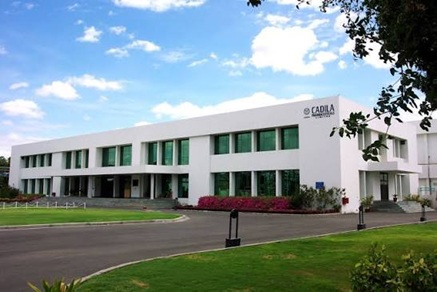
New Delhi, July 11 (IANS) The Maharashtra Food and Drug Administration (FDA) has barred the sale and distribution of certain medicines manufactured by Cadila Pharmaceuticals Ltd and seized stock worth around Rs 2.45 crore over concerns that similar branding could lead to medication errors, as per multiple reports.
It also directed the company to recall select products from the market, it added.
The action relates to Aciloc 150, Aciloc 150 Plus, Aciloc 300 and Aciloc 300 Plus, which contain different active pharmaceutical ingredients (APIs) despite having nearly identical branding.
According to the FDA, Aciloc 150 and Aciloc 300 were originally approved with Ranitidine as the active ingredient.
The company later introduced Aciloc 150 Plus and Aciloc 300 Plus containing Famotidine while retaining almost identical branding and artwork, except for the addition of the ‘+’ symbol.
The regulator said the simultaneous availability of the Ranitidine- and Famotidine-based medicines in the market could create confusion among doctors, pharmacists and patients, increasing the risk of dispensing or consuming the wrong medicine.
FDA Commissioner Tukaram Mundhe said any confusion caused by a medicine's brand name that could result in doctors, pharmacists or patients receiving the wrong drug was a serious public health concern.
The FDA said it prohibited the sale and distribution of the available stock of the medicines during inspections carried out on July 9 and 10 at the company's carrying and forwarding agent warehouses in Pune, Nagpur and Bhiwandi in Thane district.
The action covered medicine stock valued at Rs 2,45,37,490.
Existing guidelines prohibit marketing medicines with a changed composition under substantially the same brand name and added that the preventive action was initiated to safeguard public health, the regulator said.
The FDA said further investigation is underway and legal action will be taken under the Drugs and Cosmetics Act, 1940, and the rules framed thereunder based on the findings.
--IANS
ag/
Tripura’s 80 pc population covered under Ayushman Bharat Health Account: CM Saha
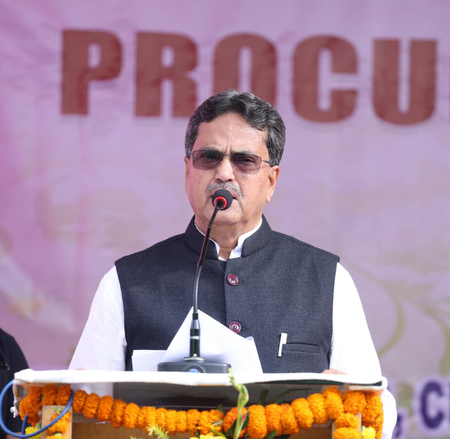
New Delhi/Agartala, July 10 (IANS) Tripura Chief Minister Manik Saha on Friday said that around 80 per cent of the state's population has been covered under the Ayushman Bharat Health Account (ABHA), highlighting the significant progress made in implementing the Ayushman Bharat Digital Mission (ABDM), one of the Centre's flagship digital healthcare initiatives.
The Chief Minister made the remarks while participating in the 3rd Mission Steering Group Meeting of the Ayushman Bharat Digital Mission, chaired by Union Health and Family Welfare Minister J.P. Nadda.
The Chief Minister said that the Ayushman Bharat Digital Mission is a landmark initiative of the Central Government aimed at providing every citizen with a unique digital health identity and integrating healthcare services on a secure, interoperable digital platform.
Saha said under the mission, ABHA accounts have already been created for nearly 80 per cent of the population in Tripura. Besides this, work on the Health Facility Registry (HFR) and the Health Professional Registry (HPR) has been completed at 100 per cent in the state.
Saha, who also holds the Health and Family Welfare Minister portfolio, said that around 18 lakh digital tokens have so far been issued to patients in 31 government hospitals through the 'Scan and Share' facility, significantly reducing waiting time and ensuring faster access to healthcare services.
He said various patient services are now being provided digitally at Agartala Government Medical College's Indira Gandhi Memorial (IGM) Hospital, which has been developed as a model hospital under the Ayushman Bharat Digital Mission.
The Chief Minister also informed the meeting that West Tripura district has been selected as a model district under the Ayushman Bharat Digital Mission to implement various digital health initiatives.
Saha said a door-to-door awareness campaign has been launched across the state to ensure that 100 per cent of the citizens are covered under the Ayushman Bharat Health Account (ABHA).
Highlighting the next phase of digital healthcare reforms, the Chief Minister said all government and private hospitals covered under the Pradhan Mantri Jan Arogya Yojana (PM-JAY) and the Chief Minister Jan Arogya Yojana (CM-JAY) have been instructed to implement the Ayushman Bharat Digital Mission Integrated Hospital Management Information System (HMIS).
He said the state government has also initiated measures to integrate the Hospital Management Information System (HMIS) with various government health portals to facilitate seamless exchange of patients' health records and medical information across healthcare institutions.
Saha said the National Health Claim Exchange will soon be introduced in all government hospitals covered under PM-JAY and CM-JAY. Once implemented, it will enable faster, paperless and hassle-free processing of health insurance claims, making healthcare delivery more efficient and patient-friendly.
The virtual meeting was also attended by Minister of State, AYUSH (IC) and Health and Family Welfare Anupriya Patel, Minister of State for Health and Family Welfare Jitin Prasada, Minister of State for Commerce and Industry and Electronics and Information Technology M Srinivas, Member (Health), NITI Aayog Ajay Kumar Sood, Principal Scientific Advisor to the Government of India Mukesh Mahaling. The Health Ministers of Madhya Pradesh and Odisha, as well as other members of the Mission Steering Group, also attended the meeting.
--IANS
sc/dan
High alcohol-containing formulations to require licenses, prescription: Govt

New Delhi, July 10 (IANS) The Centre on Friday tightened regulations governing medicinal formulations containing high levels of ethyl alcohol by making them subject to licensing requirements and prescription-only sale, a move aimed at preventing misuse while ensuring their availability for legitimate therapeutic purposes.
The ministry said that several medicinal preparations, including tinctures of cardamom, ginger and other aromatic formulations, were previously exempt from licensing requirements under Schedule K.
However, some of these products contain ethyl alcohol in concentrations as high as 80–90 per cent v/v, making them vulnerable to misuse for intoxication. The Centre also noted that it had received references from some state governments highlighting concerns over such misuse.
To address the issue, the government has mandated that all medicinal formulations containing more than 12 per cent v/v ethyl alcohol and packaged in quantities exceeding 30 mL will no longer be eligible for exemption under Schedule K. As a result, manufacturers and sellers of such products will now be required to obtain the necessary licences under the Drugs and Cosmetics Act, 1940.
The amendment also places these formulations under Schedule H1 of the Drugs Rules, 1945, bringing them under stricter regulatory control. Products listed under Schedule H1 can only be sold against the prescription of a registered medical practitioner and are subject to enhanced record-keeping requirements.
According to the ministry, the revised framework is expected to strengthen oversight of alcohol-containing medicinal products by ensuring that they are supplied only through the regulated pharmaceutical distribution chain. It said the move would significantly reduce the risk of diversion and misuse while ensuring continued access for patients requiring these medicines for genuine therapeutic purposes.
The ministry said the amendment is part of the government's broader efforts to strengthen the country's drug regulatory framework, promote the rational and responsible use of medicinal products, and safeguard public health.
The detailed amendments have been notified through a Gazette notification issued by the Ministry of Health and Family Welfare.
--IANS
pk
Torrent Pharma recalls select Semalix injection batches after Dr Reddy’s flags quality issue

Mumbai, July 9 (IANS) Torrent Pharmaceuticals on Thursday announced a voluntary recall of select batches of its Semalix injection disposable pens as a precautionary measure after manufacturing partner Dr Reddy's Laboratories identified a quality issue requiring technical evaluation.
The recall is limited to select batches of Semalix Injection 2 mg and 4 mg manufactured by Dr Reddy's Laboratories.
Torrent clarified that the action is being taken purely as a precaution and said there is no risk to patients currently undergoing treatment.
The company reiterated that patient safety remains its highest priority and assured that all other semaglutide products in its portfolio continue to remain unaffected.
These include Semalix tablets in 3 mg, 7 mg and 14 mg strengths, Sembolic tablets in the same strengths manufactured by Torrent, Semalix Injection 8 mg manufactured by MSN Laboratories, and the Sembolic reusable injection manufactured by Zydus Lifesciences.
Torrent has also advised patients and caregivers with queries regarding the affected products to contact the company for further clarification.
Earlier in the day, Dr Reddy's Laboratories informed stock exchanges that commercial supplies of semaglutide would be delayed after certain batches were found to be out of specification due to an issue with the active pharmaceutical ingredient (API) used in the product.
The Hyderabad-based drugmaker said it is investigating the root cause of the issue and taking appropriate corrective measures to ensure product quality. The company added that commercial supplies would remain on hold until the matter is resolved.
Dr Reddy's also emphasised that the issue poses no risk to patient safety and does not affect the product's existing global regulatory filings.
Shares of Torrent Pharmaceuticals ended the day at Rs 4,896.65 on the BSE, gaining Rs 29.20, or 0.6 per cent.
--IANS
pk
Meghalaya CM orders fast-track completion of hospital work in Garo Hills
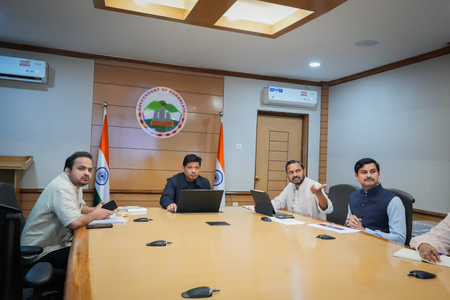
Shillong, July 9 (IANS) Meghalaya Chief Minister Conrad K. Sangma on Thursday directed officials to expedite all ongoing and proposed infrastructure works at Baghmara Civil Hospital in South Garo Hills, stressing that the projects must be completed on priority to ensure reliable and quality healthcare for people in the district.
Reviewing the progress of the hospital's upgradation along with senior Health and Family Welfare Department officials, Chief Minister Sangma said every component of the project should be closely monitored and completed without delay.
He also instructed the department to accelerate the recruitment of specialist doctors and strengthen the hospital's nursing and paramedical workforce to improve healthcare delivery.
During the review, government officials told the Chief Minister that the operation theatre, which became functional in 2025, has already conducted 85 surgeries, including 42 Caesarean sections.
The hospital treated 20,108 outpatients and admitted 2,334 inpatients in 2025, while another 10,143 outpatients were served during the first six months of 2026, indicating a steady rise in patient footfall.
The hospital currently provides emergency obstetric care and Caesarean services and also operates a transit home for expectant mothers before delivery.
Officials said four major infrastructure projects worth about Rs 11.37 crore are under implementation or tendering.
These include renovation of the old Community Health Centre building, construction of an overhead water tank, renovation of 25 residential quarters for medical personnel and the proposed Phase-II expansion to develop a 70-bedded hospital.
The Chief Minister also reviewed plans for several new healthcare facilities, including a Neonatal Intensive Care Unit (NICU), a blood bank, expansion of the transit home for pregnant women, and an integrated 50-bedded Mother and Child Health wing with support under the Centre's public health infrastructure programme.
Chief Minister Sangma further reviewed the proposal to upgrade the Chokpot Community Health Centre into a First Referral Unit equipped with comprehensive emergency obstetric and newborn care, a blood storage unit, a newborn stabilisation unit and round-the-clock referral services.
He reiterated that the ongoing investments must translate into accessible, dependable and high-quality healthcare services for the people of South Garo Hills.
--IANS
tdr/khz