
Middle class to gain through affordable healthcare, Budget aims long-term relief: Dr Singh
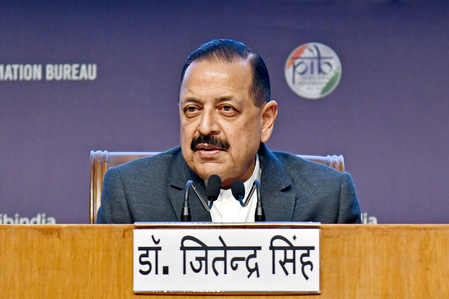
New Delhi, Feb 2 (IANS) Affordable drugs, vaccines and diagnostics, supported by domestic biomanufacturing, would be a major social and economic support, especially for the middle class and vulnerable sections, said Union Minister of State (Independent Charge) for Science and Technology, Dr Jitendra Singh, said on Monday.
Addressing the media in a post-Budget interaction, the minister said it may take time to be fully appreciated, but the Budget reflects a clear, sequential vision where structural reforms are powered by cutting-edge technologies, and cutting-edge technologies are increasingly driven by AI.
Dr Singh addressed concerns regarding benefits for the middle class, stating that the Budget’s true impact lies in long-term relief from rising healthcare and living costs, rather than short-term income calculations.
Large-scale investment in biopharma, diagnostics, vaccines, and gene-based therapies would significantly reduce the financial burden on families dealing with chronic diseases such as cancer, diabetes, and metabolic disorders, he mentioned.
The Minister noted that the country has over 11–12 crore diabetics, nearly 14 crore pre-diabetics, and a rapidly increasing incidence of cancer, with projections touching two million cases annually by 2030.
On the Rs 10,000 crore Biopharma Shakti initiative, Dr Singh said India has already emerged as a global bio-manufacturing hub, ranking among the top bio-economies globally and within the Indo-Pacific region.
He said the new outlay will further strengthen this position by expanding capabilities in biologics, biosimilars, vaccines, medical devices, and gene-based technologies.
The Minister described biotechnology as the next major industrial driver, comparable to the role played by IT in previous decades, and said the upcoming industrial revolution will be a bio-revolution, encompassing recycling, regeneration, circular economy, and advanced life-science innovations.
Dr Singh said the Budget also addresses non-communicable diseases and mental health, areas that were neglected in earlier decades. He announced that new super-speciality academic and clinical institutes for mental health will be established in North India, ensuring wider and more equitable access to care.
The Minister also highlighted the decision to establish new institutes of Ayurveda and pharmaceutical education, saying these initiatives will strengthen traditional medicine systems while integrating them with modern research and healthcare delivery.
--IANS
na/
Kashmir startup builds plasma testbed crucial for fusion systems

New Delhi, Feb 2 (IANS) Ignition Dynamics, a deep‑tech startup incubated at NIT Srinagar’s Greenovator Foundation, has developed its first prototype, Magnetized Plasma Testbed, that studies plasma under controlled electric and magnetic fields, a report has said.
The report from Kashmir Observer said the testbed lets researchers and students perform experiments by “switching on” plasma, heating it in different ways, and observing its response within a small laboratory setup.
These experiments have implications for the future of fusion energy, and have practical applications in electronics, medical devices, surface coatings, and space propulsion, the report said.
"This is important because fusion depends on understanding how plasma can be heated, confined, and kept stable. Our testbed demonstrates fundamental techniques used in fusion systems: electrical heating, radio-frequency heating, and magnetic configurations that guide plasma," said Ali Mohammad, CEO, Ignition Dynamics.
"By studying these effects at a smaller scale, we can validate ideas, train people, and improve designs before applying them to larger, more expensive fusion machines," Mohammad said in an interview with Kashmir Observer.
Such test bed facilities are usually available only in large international labs, but Mohammad says large laboratories focus on the final, most powerful stage. Ignition Dynamics focuses on the earlier stage, creating small, controllable systems that help scientists understand how hot gases and plasmas behave under electricity and magnetic fields.
Greenovator Incubation Foundation at NIT Srinagar provided a structured environment where an ambitious deep-tech idea could be shaped into a working startup, giving us guidance, institutional credibility, he added.
The startup focuses on maturing as a deep-tech organization, developing advanced plasma and accelerator systems for research, industry, and strategic applications. Plasma technologies have application in surface coatings, sterilization of medical equipment, and industrial diagnostics.
Further, the same principles used to generate and control plasma are essential in semiconductor manufacturing for thin-film deposition, etching, and materials processing. "Our work contributes to developing indigenous plasma tools for electronics, sensors, and advanced materials," Mohammad said.
Ali said that Kashmir was chosen for the startup to extend meaningful technology development beyond established hubs. The region has young talent and academic potential but often lacks exposure to advanced experimental work, he noted.
—IANS
aar/
Myanmar’s Yangon airport tightens screening to prevent Nipah virus entry

Yangon, Feb 2 (IANS) Myanmar has intensified health screening and surveillance at Yangon International Airport to prevent the possible entry of the Nipah virus, the state-owned daily The Global New Light of Myanmar reported on Monday.
In view of the ongoing outbreak of the Nipah virus in India's West Bengal state, special attention is being given to travelers arriving from India, with health checks focusing on fever and other Nipah-related symptoms, the report said, citing the Ministry of Health.
The ministry said health screening of passengers arriving from abroad is being conducted in line with established guidelines for infectious diseases that could give rise to public health emergencies, Xinhua news agency reported.
As part of the health awareness efforts, informational leaflets are being distributed to travelers and posters displayed at the airport. Disease prevention and control measures are also being carried out in coordination with relevant departments operating at the airport, it said.
Similar enhanced surveillance and screening measures are also being implemented at Mandalay International Airport, the ministry said.
So far, no suspected Nipah cases have been reported in Myanmar, the ministry said.
Nipah virus is a zoonotic disease transmitted between animals and humans and, in some instances, through human-to-human contact. It is classified as a priority pathogen by the World Health Organization due to its epidemic potential and the severity of illness it can cause.
Nipah virus was first identified in 1998 during an outbreak among pig farmers in Malaysia. In 1999, an outbreak was reported in Singapore following the importation of sick pigs from Malaysia. No new outbreaks have been reported from Malaysia or Singapore since 1999. In 2001, Nipah virus infection outbreaks were detected in India and Bangladesh. In Bangladesh, outbreaks have been reported almost every year since. In India, outbreaks are periodically reported in several parts of the country, including the latest one in 2026.
Nipah virus can also spread between people. It has been reported in health-care settings and among family and caregivers of sick people through close contact. In health facilities, the risk of spread can increase in overcrowded, poorly ventilated hospital environments with inadequate implementation of infection prevention and control measures (such as the use of personal protective equipment, cleaning and disinfection, and hand hygiene).
Currently, there is no licensed vaccine or specific treatment for Nipah virus infection.
--IANS
jk/
Budget boosts India’s evidence-based holistic healthcare ecosystem: Ayush Minister
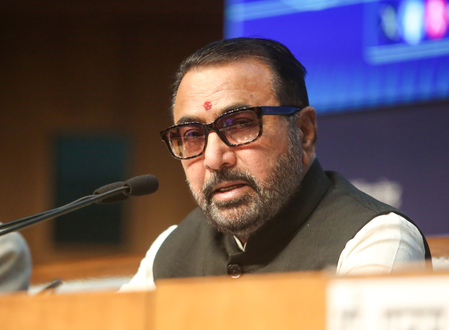
New Delhi, Feb 2 (IANS) The Union Budget announcements link health policy with rural livelihoods, export growth, youth employment and entrepreneurship — strengthening India’s emergence as the world capital of evidence-based holistic healthcare, Ayush Minister Prataprao Jadhav said on Monday.
Hailing Budget announcements that significantly strengthen the Ayush ecosystem, he said the measures reflect the government’s unwavering commitment to building a holistic, inclusive, and globally competitive healthcare system where Ayush stands as a vital pillar of integrative health.
Finance Minister Nirmala Sitharaman announced a series of landmark initiatives to expand education, research, quality assurance, global leadership, medical value tourism, and skilled workforce development in Ayush.
According to Jadhav, these measures reinforce India’s aspiration to position traditional medicine as a key driver of preventive healthcare, economic growth, and global leadership in wellness.
There is a proposal to establish three new All India Institutes of Ayurveda (AIIAs) to expand high-quality undergraduate and postgraduate education, advanced research, and tertiary care services.
These institutions are expected to elevate academic standards and strengthen evidence-based integrative care across the country.
The Budget also proposes upgrading Ayush pharmacies and drug testing laboratories to meet higher certification standards.
According to the minister, this move will enhance product quality, consumer confidence, and export readiness while supporting farmers cultivating medicinal plants and MSMEs engaged in processing and manufacturing.
The WHO Global Traditional Medicine Centre at Jamnagar will be upgraded to deepen research collaboration, international training, and policy dialogue—positioning India as the global knowledge hub for traditional medicine.
Moreover, Ayush Centres will form part of five proposed Regional Medical Value Tourism Hubs, creating integrated healthcare destinations that combine advanced medical treatment with traditional therapies, wellness services, and rehabilitation support.
Notably, the inclusion of yoga and wellness competencies within NSQF-aligned caregiver training programmes — targeting 1.5 lakh caregivers in the coming year — further mainstreams Ayush-linked skills within the expanding care economy, strengthening preventive and geriatric care services.
--IANS
na/
White-collar hiring sees 3 pc growth in India in Jan, non-IT sectors lead

New Delhi, Feb 2 (IANS) India's white-collar hiring began 2026 on a steady footing, with a 3 per cent rise (year-on-year) in January, driven by non-IT sectors and fresher hiring, a report showed on Monday.
Non-IT sectors were the primary drivers of this growth, with BPO/ITES surging more than 21 per cent, hospitality/travel climbing over 15 per cent, insurance advancing more than 7 per cent, and healthcare gaining more than 5 per cent, as per the Naukri JobSpeak Index.
Banking and financial services was one major non-IT sector to see a decline, slipping 15 per cent (on-year). Meanwhile, the IT sector remained flat for the month. Within this landscape, AI/ML roles sustained strong momentum with a more than 34 per cent rise.
Over the past three months, BPO/ITES has consistently ranked among the top 5 sectors for double-digit YoY growth.
In January 2026, hiring in the sector rose 21 per cent YoY, supported by broad-based demand across experience levels, including a strong 39 per cent increase in fresher hiring and a 9 per cent rise among professionals with 13-16 years of experience. Non-metro cities emerged as key drivers, with Jaipur (more than 66 per cent) and Ahmedabad (over 43 per cent) posting standout contributions.
Foreign multinational corporations (MNCs) were a major force behind this surge, contributing more than an 80 per cent increase in hiring activity, said the report.
“It’s encouraging to see sustained year-on-year growth in key sectors like BPO/ITES and Hospitality. These areas have shown consistent momentum over recent months and have kicked off 2026 on a strong, positive note. Equally promising is the robust performance from Indian IT MNCs, which bodes well for the overall job market,” said Dr Pawan Goyal, Chief Business Officer, Naukri.
Geographically, the uptick was spearheaded by Pune (over 23 per cent), Chennai (+18 per cent), Bengaluru (+17 per cent), and Ahmedabad (+16 per cent), reflecting strong contributions from both established southern hubs and fast-emerging western markets, the findings showed.
--IANS
na/
Budget 2026 surged Ayush Ministry’s allocation by over 10 pc to Rs 4,500 crore: Prataprao Jadhav
New Delhi, Feb 1 (IANS) The Union Budget 2026-27 enhanced the allocation for the Ministry of Ayush to Rs 4,500 crore, an increase of more than 10 per cent from the previous fiscal, said Prataprao Jadhav, Union Minister of State (Independent Charge), Ministry of Ayush, on Sunday.
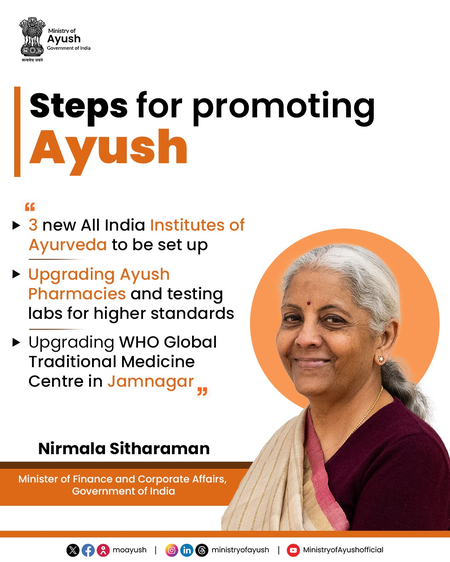
Finance Minister Nirmala Sitharaman, in her ninth consecutive Budget speech, proposed to set up three new All India Institutes of Ayurveda to expand high-quality education, research, and tertiary care capacity in Ayurveda.
She also announced the upgradation of Ayush pharmacies and drug testing laboratories to higher certification standards, strengthening the quality-assurance ecosystem for Ayurvedic and other traditional medicines and creating demand for more skilled personnel.
“In this year's budget, the Ayush Ministry has been given a budget of about Rs 4,500 crore, increasing it by more than 10 per cent as compared to the budget of last year, 2025-26,” Jadhav told IANS.
“We see that right now the growth of our Ayush industry is happening at a very big scale,” he added.
The Finance Minister also proposed to upgrade the WHO Global Centre for Traditional Medicine at Jamnagar to further bolster evidence-based research, training, and awareness in traditional medicine at the global level.
“By upgrading it, evidence-based research will be conducted there, and strong scientific evidence will be generated. This will improve the overall quality of research and help bring our traditional medicine centres up to a high standard. Moreover, working in collaboration with the WHO will make it easier to get global recognition for our traditional medicine,” Jadhav said.
Sitharaman also announced plans to establish Ayush centres within the proposed five Regional Medical Value Tourism Hubs, integrating AYUSH services into comprehensive medical tourism complexes alongside diagnostics, post-care, and rehabilitation.
“Through the integration of AYUSH, treatment will be delivered using therapeutic approaches such as yoga, naturopathy, and ayurveda,” Jadhav told IANS.
“High-quality value tourism centres will be established across the country, for which rules and guidelines are being formulated. Through this initiative, patients coming from abroad will be able to enter the country on an Ayush visa and receive treatment here. As a result, there has been a significant increase in foreign exchange earnings. For the first time, such a substantial budget has been allocated for Ayush,” he added.
--IANS
rvt/
Every necessary provision for maintaining India’s health made in Budget 2026: Anupriya Patel
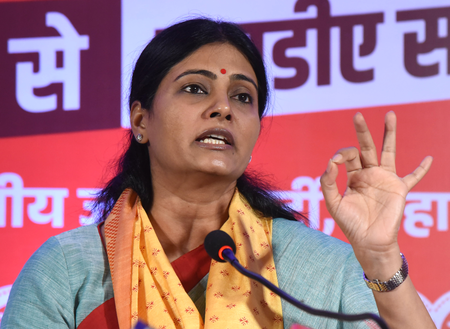
New Delhi, Jan 1 (IANS) The Union Budget 2026 has made every necessary provision for maintaining the health of India, said Minister of State Anupriya Patel on Sunday.
Speaking to IANS, Patel noted that the Budget, presented by Union Finance Minister Nirmala Sitharaman, laid special focus on health, pharma, and chemicals.
“India has progressed on the path of self-reliance, and no sector is untouched by it today,” Patel said.
Hailing the Biopharma Shakti Mission of Rs 10,000 crore, the MoS stated that it will help "India to become a manufacturing hub of biopharma in the coming time, which means it is a big step towards self-reliance".
Patel noted that in view of the increasing need and demand for allied health professionals in the coming time, in the next five years, 10,000 Allied Health Professionals will be created in the country, and new institutes will also be established.
“To strengthen geriatric care, one lakh multi-skilled care professionals will also be trained under the provisions of this budget,” the Minister said.
In addition, to promote medical value tourism, five regional medical hubs will be established in the country, in which, through collaboration between the state governments and our provision sector, education, clinical care, and research facilities will be available for the common people and our patients.
“Most importantly, till now, only one institute to address mental health challenges in the country existed in South India, which we know as NIMHANS, which has a great reputation in the entire country. For the convenience of the people of North India, who are facing mental health challenges, we have decided to set up another NIMHANS through this budget, in Sati, Tezpur, and Ranchi,” Patel said.
Noting that the existing mental health insurance will also be improved, she hailed the waiving of customs duty on 17 cancer and 7 rare disease drugs.
“I am happy that the Finance Minister has accentuated the basic customs duty on cancer drugs and rare disease drugs in this Budget and has also made provisions to strengthen emergency and trauma care in our district hospitals. Overall, every necessary provision for maintaining the health of India has been made in this budget. We thank the Finance Minister very much for taking care of the health of the country in this budget,” Patel told IANS.
--IANS
rvt/
Budget 2026: FLO lauds women-centric and MSME-led growth agenda

New Delhi, Feb 1 (IANS) The FICCI Ladies Organisation (FLO), an apex body of businesswomen, on Sunday welcomed the Union Budget 2026, and called it a women-centric and MSME-led growth agenda.
The Budget was presented by the Union Finance Minister Nirmala Sitharaman in the Parliament.
Poonam Sharma, President of FLO, said that the Budget sends a clear and confident signal of continuity, credibility, and conviction.
“It balances fiscal discipline with inclusive growth, and places women, MSMEs, and manufacturing at the heart of India’s development journey. For women entrepreneurs and professionals, this Budget is not about short-term sops, but about building long-term capacity, opportunity, and progress,” Sharma said.
Applauding the Budget’s focus on women-led development, Sharma emphasised the creation of a robust care ecosystem, including the training of 1.5 lakh multiskilled caregivers, strengthening allied health institutions, and expanding geriatric and mental health services.
“These initiatives will play a critical role in enabling greater workforce participation by women,” she said.
Other measures, such as girls’ hostels in every district, enhanced access to STEM education, SHE Marts for women entrepreneurs, and targeted support for Divyangjan livelihoods, also reinforce the government’s commitment to people-centric and inclusive growth, Sharma said.
“FICCI FLO welcomes the government’s three-pronged approach to strengthening MSMEs, including the establishment of a Rs 10,000 crore SME Growth Fund, enhanced liquidity through TReDS and credit guarantees, and the introduction of Corporate Mitras to support compliance, especially in Tier II and Tier III towns,” the expert added.
These measures are expected to significantly benefit women-led MSMEs, improving access to finance, reducing procedural burdens, and enabling scale and competitiveness.
Sharma also spoke about the continued thrust on manufacturing, industrial corridors, logistics, clean energy, and public capital expenditure in the Budget.
It “strengthens India’s growth fundamentals and positions the country as a global manufacturing hub. Reforms aimed at ease of doing business, trust-based governance, and simplified tax compliance will particularly support first-generation entrepreneurs and small businesses,” she added.
--IANS
rvt/
Union Budget boosts mental healthcare, Ranchi’s CIP to get apex institution status
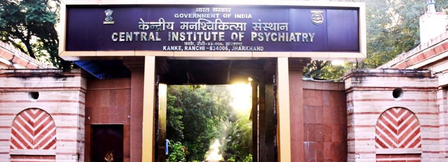
Ranchi, Feb 1 (IANS) The Union Budget has delivered a major boost to mental healthcare infrastructure in Jharkhand, with the Central Institute of Psychiatry (CIP), Ranchi, set to be upgraded as a regional apex institution.
This is expected to significantly strengthen mental health services, research, and training in the eastern part of India.
Announcing key initiatives for the mental health sector in her Budget 2026=27 speech, Union Finance Minister Nirmala Sitharaman said national mental health institutes in Ranchi and Assam's Tezpur would be upgraded as regional apex institutions.
She also announced the establishment of NIMHANS-2 to cater to the long-felt need for a national-level mental health institution in north India.
The Finance Minister noted that the absence of a dedicated apex mental health institution in the north had been a major gap in the country’s healthcare ecosystem, prompting the government to take this decision.
The upgradation of Ranchi’s CIP is expected to enhance its national role, opening new avenues for infrastructure expansion, advanced research, specialised training programmes, and the introduction of modern treatment facilities.
The move is also likely to strengthen inter-regional collaboration in mental healthcare delivery.
Founded in 1918 during British rule, the Central Institute of Psychiatry is one of India’s oldest and most prestigious mental health institutions. Originally known as the Ranchi European Lunatic Asylum, the institute has evolved over its 108-year history into a premier centre for comprehensive mental healthcare, research, and human resource development.
Spread across 211 acres, the CIP is internationally recognised for its open-hospital model, lush green campus, and patient-centric treatment approach.
The institute currently caters to over 85,000 patients annually, publishes more than 130 research papers, and trains a large number of mental health professionals every year.
The CIP also houses advanced facilities such as a state-of-the-art neuroimaging centre, a 3-Tesla fMRI unit, a brain stimulation laboratory, and a well-equipped medical library.
Its emphasis on sustainability, including the use of solar energy and preservation of green spaces, has earned it recognition as a ‘green’ institution.
With its elevation to a regional apex institution, the CIP is expected to regain a central position on India’s mental health map, ushering in a new phase of growth and reaffirming Ranchi’s legacy as a hub for mental healthcare in the country.
--IANS
snc/skp/vd
Health industry hails Budget 2026 boost to biopharma sector, clinical trials

New Delhi, Feb 1 (IANS) Industry experts on Sunday hailed the Union Budget 2026’s push to the biopharma sector, clinical trials, along with its thrust to the medical tourism and Ayurveda.
The Union Budget 2026-27, presented by Finance Minister Nirmala Sitharaman in Parliament, proposed the Biopharma Shakti (Strategy for Healthcare Advancement through Knowledge, Technology, and Innovation) scheme.
The scheme, with an outlay of Rs 10,000 crores over the next five years, aims to develop India as a global biopharma manufacturing hub. The government also announced the creation of a biopharma-focused network with three new National Institutes of Pharmaceutical Education and Research (NIPER) and upgrading seven existing ones.
In addition, a network of over 1,000 accredited India Clinical Trials sites will be created, the Finance Minister said.
“As India’s disease burden shifts toward cancer, diabetes, and autoimmune disorders, biologics and biosimilars will be central to improving longevity and quality of life. Biopharma Shakti initiative -- spanning manufacturing scale-up, global-grade regulation, new NIPER institutions and a nationwide clinical trials network -- can firmly position India as a global biopharma manufacturing hub,” said Kiran Mazumdar Shaw, Chairperson, Biocon Group.
"The Biopharma Shakti initiative is designed to build an end-to-end ecosystem for MSMEs to develop and manufacture biologics and biosimilar drugs, which represent the fastest-growing segment of the global pharmaceutical market," said Namit Joshi, Chairman - Pharmexcil.
Dr. Dharminder Nagar, Managing Director, FICCI Healthcare Committee, said that backing a bio-pharma manufacturing ecosystem with sustained public investment sends a strong signal that India is serious about self-reliance in complex medicines.
“This support will not only accelerate research and production for diabetes and autoimmune conditions, but also lower costs, expand access, and position India as a global hub for affordable biologics,” he added.
Sudarshan Jain, Secretary General, Indian Pharmaceutical Alliance, said that the “Budget aims to take forward India’s pharmaceutical ecosystem by creating a network of over 1,000 accredited India Clinical Trials sites, investing in scientific talent through upgrading NIPERs, and augmenting the drug regulator to meet global standards and approval timelines through dedicated scientific review cadre and specialists”.
Ameera Shah, President, NATHEALTH, noted that the announcement of five regional Medical Value Tourism hubs, supported centrally, will further position India as a global healthcare destination and act as a key enabler for growth, while integration of Ayush centres into these hubs will showcase India’s holistic care capabilities.
In addition to supporting both patient and industry, the experts also hailed the Budget’s much-needed focus on Ayurveda and wellness.
“Across biopharma, medical tourism, Ayurveda, wellness, and skills building -- these proposals make this a truly forward-looking Budget that will take India well on its way to achieving the goals of a Viksit Bharat,” said Sujay Shetty, Partner and Leader – Health Industries, PwC India.
“Significant for the MedTech sector is the enhanced allocation of Rs 40,000 crore for electronics component manufacturing, which will accelerate domestic value addition in medical electronics and diagnostics," said Pavan Choudary, Chairman, MTaI.
He added that investments across advanced biopharma manufacturing, clinical research infrastructure, district-level oncology care, expanded medical education, and new critical care blocks point to a balanced approach that aligns industrial ambition with patient outcomes.
“Budget 2026 positions India to accelerate its transition from volume‑driven production to value‑driven global leadership in pharmaceuticals, biopharma, and medical devices, with Biopharma Shakti as its anchor and a renewed focus on regulatory and manufacturing reforms and assuring reduced compliances,” said Rajiv Nath, Forum Coordinator, AiMeD
--IANS
rvt/