
TN govt’s third-child maternity leave move sparks debate, Congress questions policy
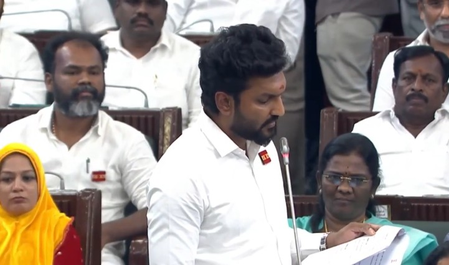
Chennai, Aug 19 (IANS) A political debate has erupted in Tamil Nadu after the state government announced that it would extend the maternity leave period from 12 weeks to 365 days for women government employees having their third child.
Under the existing provisions, married women employed in the government sector who have fewer than two children are entitled to 365 days, or one year, of maternity leave. However, women who already have two or more children are currently eligible for up to 12 weeks of maternity leave.
Tamil Nadu Human Resources Management Minister D. Sarathkumar announced the proposed change in the Assembly while responding to the demand for grants for his department.
The decision, however, has triggered questions from Congress, an ally of the ruling TVK, as the party raised concerns over whether families have sufficient resources to support a third child and whether such a policy could affect the state's progress on population management and family planning.
Congress MP Karti P Chidambaram, in a post on X, welcomed maternity leave but questioned the rationale behind extending the benefit to a third child.
"While maternity leave is most welcome, paternity leave should also be considered, but the government should not be encouraging a third child in families. Do families have the resources to support a 3rd child?"
Congress MP Manickam Tagore also welcomed the move to provide greater support to women but said the government needed to carefully consider the implications of extending the benefit to families having a third child.
Speaking to reporters, Tagore said: "Maternity leave is a very important step towards giving women more support and space. Considering the time and the challenges a mother goes through during this period, we welcome the decision of the Tamil Nadu Government. But the question is about the third child. Whether the Tamil Nadu Government has thought through this aspect is important."
"Moving from the two-child norm to the third-child norm is a huge step, especially because Tamil Nadu is a state where family planning has been managed in an organised manner, and because of this, we have succeeded in many areas," he added.
The Congress leaders' remarks have brought the issue of population control and the state's long-standing family planning policies into the political discussion, particularly in the context of Tamil Nadu's demographic trends.
Meanwhile, the Opposition DMK also criticised the government's position and said the TVK administration does not want to control the population.
Speaking to IANS, DMK spokesperson T.K.S. Elangovan said: "That is actually the policy of the government, which is only two children. But for the third child, we have reduced it because we don't want a third child in any house. That is, of course, to control the population, that's all. Beyond that, there is nothing. But this government does not want to control the population; that's all."
Taking a swipe at the opposition, he further said: "They have no new schemes at all. If we had given 365 days earlier, they would have given 365 days for the fourth child. That is the TVK."
The Shiv Sena said that while questions could be raised about the government's intention behind the decision, the move also reflected a greater effort to support women during pregnancy and after childbirth.
Shiv Sena spokesperson Shaina N.C., speaking to IANS, said, "Questions will certainly be raised about the objective and motive behind the Tamil Nadu government's decision. However, they are taking moral responsibility to provide greater provisions for women, because maternity leave is necessary. We welcome this women-centric decision."
--IANS
sd/vd
IISc Bengaluru uses AI to hunt for a universal antivenom for snakebites
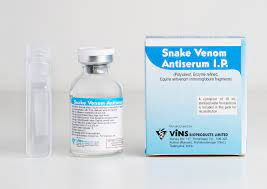
Kolkata, Aug 19 (IANS) The Indian Institute of Science (IISc), Bengaluru, is using artificial intelligence (AI) to develop broadly neutralising anti-venoms capable of treating bites from multiple snake species, potentially addressing a major public health challenge that claims tens of thousands of lives in India every year.
"India loses an estimated 58,000 lives to snakebite every year. The remarkable diversity of snake venoms across species and regions makes this an enormously challenging scientific problem, and one where AI can help us analyse data at a scale and speed that were previously difficult to achieve," IISc has said.
The Evolutionary Venomics Lab (EVL) at the Centre for Ecological Sciences (CES), IISc, is using Claude, through Anthropic’s AI for Science programme, to annotate complex venom datasets and identify shared toxin targets for developing broadly neutralising antivenoms.
What researchers are trying to do is to develop anti-venoms that would act in the case of bites of different species of snakes. This would reduce the need for hospitals to stock a wide variety of anti-venoms.
"We are excited to explore how the convergence of artificial intelligence, evolutionary biology, and translational science can help deliver the next generation of snakebite therapies," IISc said.
EVL has been doing pioneering work in the development of anti-venoms.
After developing a synthetic anti-venom in 2024, the laboratory created "venom maps" in 2025. These maps use local climate conditions to help predict the venom characteristics of Russell's Viper, a deadly snake found across the country.
The Russell's Viper is arguably the clinically most important snake species in the world. It kills and maims more people than any other snake species.
The venom maps could help clinicians select the most appropriate treatment for patients with snake bites, researchers say. It is important to precisely unravel the composition, activity and potency of Russell's Viper venoms and understand the role of biotic and abiotic factors in shaping them, researchers say.
The toxic effects of a snake's venom are caused by concentrations of enzymes, which are influenced by factors, such as climate and availability of prey. The venom maps, for the first time, highlight the role of climatic conditions, such as temperature, humidity and rainfall, in driving the biochemical functions of Russell's Viper venoms..
-- IANS
jg/snj/mr
FMCG distributors’ body seeks uniform food safety norms for quick-commerce dark stores

New Delhi, Aug 18 (IANS) The All India Consumer Products Distributors Federation (AICPDF) has called for a uniform regulatory framework for quick-commerce dark stores -- such as Zepto, Blinkit and Swiggy Instamart -- raising concerns over food-safety and hygiene violations reported during a recent inspection drive in Maharashtra, according to a report.
A report by NDTV Profit said that the federation's remarks follow inspections by the Maharashtra Food and Drug Administration (FDA) at 86 establishments involved in online food storage and delivery.
The regulator suspended 14 food-business licences linked to Blinkit, Zepto and Swiggy Instamart after finding deficiencies related to food storage, temperature control, cleanliness, pest management, worker hygiene and food handling, it added.
In addition, the distributor body highlighted several incidents related to the quick commerce stores.
For instance, a viral video that allegedly showed a live rat inside an ice-cream storage crate at a Blinkit outlet in Kalyan's Godrej Hill area. The federation said the incident raises questions about pest control, sanitation, stock inspection and preventive food-safety systems.
It also pointed to reports of expired food products being found at a Zepto outlet in Pune.
“Consumers should not have to become food inspectors checking dates, packaging and storage conditions,” AICPDF National President Dhairyashil H. Patil said.
Moreover, the distributor body has approached FSSAI and the Union Health Ministry seeking mandatory, scientifically determined storage and hygiene norms specifically for quick-commerce warehouses and dark stores, according to the report.
Among its proposals is a scientific SKU-to-space framework under which minimum storage area would be linked to the number of stock-keeping units handled by a facility. The federation has urged FSSAI to evaluate and standardise such norms.
The proposed framework also includes requirements for adequate storage space, segregation of food categories, dedicated areas for damaged and expired products, cold-chain compliance, pest control, periodic audits and surprise inspections.
“Quick commerce may promise delivery in 10 minutes, but food safety cannot operate on a 10-minute business model,” Patil said.
The federation said it supports quick-commerce growth but wants uniform regulatory standards across traditional and digital retail channels, stressing that the same food-safety rules should apply to all operators.
--IANS
ag/
Delhi govt to increase number of medical UG, PG seats: Health Minister
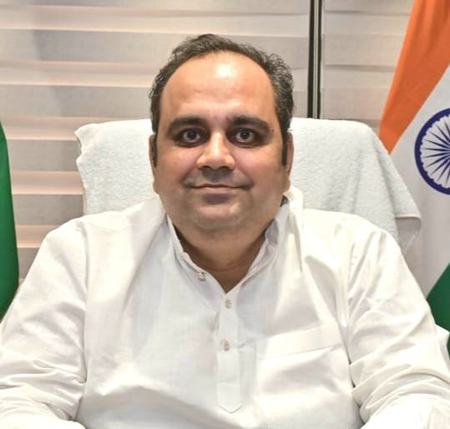
New Delhi, Aug 17 (IANS) The Delhi government plans to increase medical education capacity across the National Capital through a phased expansion of Undergraduate (UG), Postgraduate (PG) and Super-Specialty (SS) medical seats, Health Minister Pankaj Kumar Singh said on Monday.
Under the greenfield approach, 150 MBBS seats each are proposed at the under-construction medical colleges attached to Indira Gandhi Hospital (IGH), Dwarka, and Guru Gobind Singh Hospital, adding 300 new UG seats.
Under the brownfield expansion, the MBBS capacity at Dr B.S.A. Medical College and Hospital is proposed to increase from 125 to 200 seats, while the Maulana Azad Institute of Dental Sciences (MAIDS) is proposed to increase its BDS intake from 50 to 70 seats.
For PG education, MAMC is proposed to increase its PG seats from 260 to 295, an addition of 35 seats, while MAIDS will increase PG seats from 22 to 42. PG courses with 24 seats are also proposed at BSA Medical College.
The initiative aims to address the shortage of qualified medical and dental professionals in government hospitals while strengthening Delhi’s healthcare workforce and public health infrastructure, he said.
He said as part of the roadmap, the Government has adopted a three-pronged approach comprising greenfield projects, brownfield expansion of existing institutions, and expansion of postgraduate and advanced medical programmes.
The Health Minister said the expansion reflects the Delhi Government’s commitment under the leadership of Chief Minister Rekha Gupta to build a healthcare system supported by adequate and highly trained human resources.
“Expanding medical education is not merely about increasing the number of seats. It is about creating a sustainable pool of trained doctors, specialists and super-specialists who can serve Delhi’s citizens,” he said.
“The Delhi Government is pursuing a planned and phased expansion of medical education capacity, while ensuring that infrastructure, faculty and patient-care requirements grow alongside it, said Pankaj Kumar Singh.
The roadmap further proposes 103 additional PG and DNB seats across Delhi’s government medical institutions. The detailed institutional breakup includes 24 MD/MS seats at Dr B.S.A. Medical College, 35 MD/MS seats at MAMC, 18 DNB seats at IGMC, 8 DNB seats at Deep Chand Bandhu Hospital, 2 DNB seats at GTB Hospital, 4 MD/MS seats at UCMS & GTB Hospital, 2 DNB seats at Guru Gobind Singh Government Hospital, 4 DNB seats at Sanjay Gandhi Memorial Hospital, 2 DNB seats at Bhagwan Mahavir Hospital and 4 MD seats at Delhi State Cancer Institute, said the statement.
Together, these account for 67 MD/MS seats and 36 DNB seats, taking the total proposed addition in PG and DNB capacity to 103 seats. In addition, 5 fellowship seats, three at GTB Hospital and two at Delhi State Cancer Institute, are proposed, taking the total of new advanced medical seats to 108, it said.
--IANS
rch/dan
Jan Aushadhi Kendra opens in Assam’s Majuli, locals elated over availability of affordable medicines
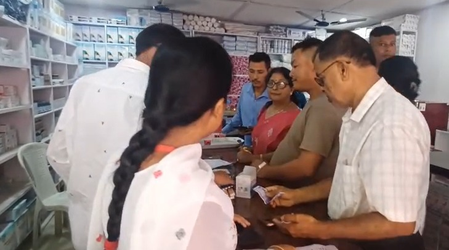
Guwahati, Aug 17 (IANS) A Jan Aushadhi Kendra was inaugurated on the premises of the district hospital in Majuli, Assam, under the Pradhan Mantri Bharatiya Janaushadhi Kendra (PMBJP). The opening of the Jan Aushadhi Kendra has brought smiles to the faces of local residents and those in the close neighbourhood, as they will get access to high-quality medicines and life-saving drugs at affordable prices, now on.
The people of Majuli are thanking the state administration as well as Prime Minister Narendra Modi for the initiative.
The centre was formally inaugurated on the premises of Majuli's Sri Sri Pitambar Dev Goswami District Hospital on Monday. Majuli MLA, Bhuban Gam, officially opened the centre by cutting the ribbon.
In his inaugural speech, he told the people of Majuli that through this Jan Aushadhi medicine centre, the residents of Majuli will be able to access all essential medicines of good quality at low prices and encouraged everyone to take advantage of its benefits.
The event was attended by many doctors, nurses, staff, and local residents of Majuli District Hospital.
Dr Kishore Kumar Kaman, Joint Director of the programme, said, ''At Majuli, in front of District Hospital, we have inaugurated the Pradhan Mantri Jan Aushadhi Kendra. This Jan Aushadhi Kendra will provide more than 2,100 different generic medicines of good quality.''
He said that high-quality medicines will be available at the centre, starting today, at discounted prices from 50 per cent to 90 per cent.
Under the Pradhan Mantri Bhartiya Janaushadhi Pariyojana (PMBJP), a total of 20,149 Jan Aushadhi Kendras (JAKs) have been opened across the country till July 30, 2026.
According to government estimates, savings of about Rs 45,000 crore have accrued to citizens in the past 12 years, as the generic medicines available at these centres are much lower compared to the prices of branded medicines.
The product basket under the Pradhan Mantri Bhartiya Janaushadhi Yojna has 2,110 medicines and 315 surgicals, medical consumables and devices, covering all major therapeutic groups, such as cardiovascular, anti-cancer, anti-diabetic, anti-infectives, anti-allergic and gastro-intestinal medicines and nutraceuticals.
--IANS
mr/uk
Diabetes prevention must become national priority as rural India faces growing burden: Dr Jitendra Singh
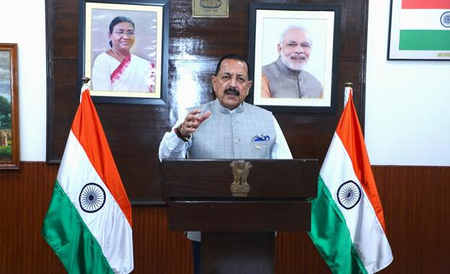
New Delhi, Aug 16 (IANS) Union Minister of State Dr Jitendra Singh, on Sunday called for making diabetes prevention a national priority, saying rural India is no longer untouched by the diabetes epidemic and requires a community-led, technology-enabled and data-driven response.
Addressing the inauguration of the Research Society for the Study of Diabetes in India (RSSDI) Diabetes Rural Outreach Digital Portal and the launch of VISHWAS, the Diabetes Awareness Video Library, Dr Singh said prevention, early detection, timely intervention and sustained follow-up are essential to reducing the growing burden of diabetes and its complications.
"With more than 70 per cent of India’s population below the age of 40, protecting the health and productive potential of the country’s young population is essential to the vision of India@2047," he said.
Dr Singh said India has made significant progress in healthcare, scientific research and digital innovation, but the next challenge is to ensure that these advances reach people in rural and underserved areas.
"Rural India is no longer untouched by the diabetes epidemic and that early detection, timely intervention, lifestyle modification and sustained follow-up are essential to reduce the burden of the disease and its complications," the minister stated.
He said the RSSDI Rural Outreach Programme provides an example of how professional medical societies can complement national health efforts by bringing specialist expertise closer to communities.
Under the initiative, villages are being adopted to create a structured system for diabetes awareness, screening, treatment and long-term follow-up.
The programme has already reached around 30 villages across several states, with further expansion planned in the coming years.
The minister said the newly inaugurated digital portal would strengthen community healthcare by enabling systematic documentation, continuity of patient care, monitoring of outcomes and generation of evidence for future public health strategies.
He said combining community-level healthcare with scientific documentation would generate real-world data from rural India, helping researchers and policymakers better understand disease patterns and develop evidence-based solutions suited to the Indian population.
Calling for greater cooperation among government agencies, academic institutions, technology partners, private organisations and local healthcare workers, Dr Jitendra Singh said diabetes prevention and management required a coordinated approach.
--IANS
pk
Harsimrat Kaur writes to HM Shah; seeks NIA probe into murderous attacks on Sukhbir Badal (Ld)
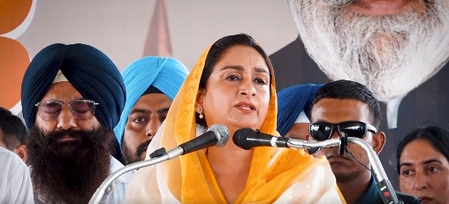
Chandigarh, Aug 16 (IANS) Shiromani Akali Dal (SAD) leader Harsimrat Kaur Badal said on Sunday that she has written to the Union Home Minister Amit Shah to demand a National Investigation Agency (NIA) probe into the two murderous attacks on party President Sukhbir Singh Badal.
Terming both crimes as a "deep-rooted conspiracy" involving both politicians and police officers, SAD MP from Bathinda Harsimrat Kaur, who addressed a rally in Guruharsahai town, the second phase of the party's "Punjab Bachao" campaign, also displayed a post-surgery picture of the severely injured arm of the SAD Chief as well as the one-and-a-half-foot-long 'kirch' (dagger) used by the assailant to attack him.
"More than 150 stitches have been placed to close the wound from both sides and also from the inside. This is because the dagger, which had a sharpened tip, went through the flesh," she said.
Terming the incident at Mata Sahib Gurudwara in Maharashtra's Nanded as well as the December 4, 2024, attack at the Sri Darbar Sahib as part of the conspiracy to eliminate Sukhbir Singh Badal and weaken the party, Harsimrat Badal said "this is why I have requested the Union Home Minister to order a NIA probe into both incidents. This is because the ISI agent who attacked the SAD President at Sri Darbar Sahib was facilitated by a Superintendent of Police and was even able to secure bail in this heinous crime within a space of three months".
The SAD Chief's wife also disclosed that in the case of the attack in Nanded when Sukhbir Singh Badal was coming downstairs of the Mata Sahib Gurudwara Devan, the assailant, in the garb of a Nihang Sikh, first pretended to escort him down and then turned around to attack him.
"Such a cowardly act cannot be done by a true Sikh in a place of worship and the entire episode needs to be probed by the NIA to get to the bottom of the attacks as well as the persons who are sponsoring them."
She also asserted that such anti-national elements wanted to destroy the hard won peace of Punjab but that these divisive acts would never cow down the Shiromani Akali Dal and that Sukhbir Singh Badal would rebound even stronger than before.
Harsimrat Kaur also said the SAD President was in "chardikala" after being discharged and that the sight of a "baaj" (hawk) circling his hospital window had further strengthened his resolve to serve the "Panth" to the best of his abilities.
Asserting that nothing could sway the SAD from its path, she noted that "our strength, our pillar, our everything is our Guru. So now, I am challenging these divisive forces -- the more you try to attack us and finish us, the stronger we will emerge".
--IANS
vg/khz
Indian companies should strive to be among world’s top 5 pharma giants: PM Modi
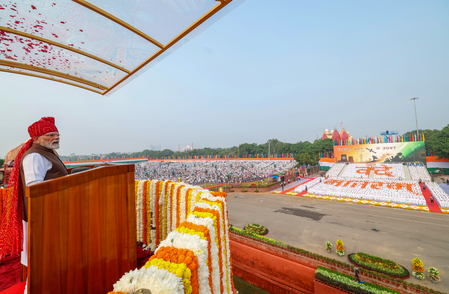
New Delhi, Aug 15 (IANS) Prime Minister Narendra Modi on Saturday set ambitious global targets for Indian businesses, calling for stronger representation of pharmaceutical firms on the world map.
Addressing the nation from the Red Fort on the 80th Independence Day, PM Modi said India’s economic growth must be matched by the emergence of globally competitive companies with a larger international footprint.
The Prime Minister called for Indian pharmaceutical companies to enter the ranks of the five largest pharmaceutical companies worldwide.
Also, India should aim to have 50 companies listed in the Fortune 500 list, PM Modi emphasised.
PM Modi recently said that India’s pharma sector is moving up from the pharmacy of the world to a hub of innovation.
PM Modi highlighted India's transition from a global supplier of affordable medicines to an emerging centre of pharmaceutical innovation.
The Prime Minister said that India's pharma sector is steadily moving up the value chain, with a strong push towards research and development, biologics, biosimilars and next-generation therapies.
“From the pharmacy of the world to a hub of innovation, India's pharma sector is moving up the value chain,” PM Modi said in a post on X.
“Under the present government, the focus has been on extensive R&D, biologics, biosimilars and cutting-edge therapies,” PM Modi explained.
According to PM Modi, domestic manufacturing, reduced import dependence and government support are helping the country emerge as a trusted global med-tech partner. India was steadily emerging as a trusted global med-tech partner focused on affordable and accessible healthcare.
More than 50 high-end medical devices have started being manufactured in India under the PLI scheme, while continued foreign investment reflects growing investor confidence in the sector.
India's med-tech market is currently valued at $15-16 billion and is growing at nearly 12 per cent annually. The sector is the fourth-largest medical technology market in Asia and among the top 20 globally.
A recent report showed that the domestic medical device industry is expected to emerge as a global powerhouse with a projected market size of $250 billion by 2047.
—IANS
na/
Natco Pharma Q1 net profit slumps 57 pc on weak Lenalidomide sales

Mumbai, Aug 14 (IANS) Natco Pharma Limited on Friday reported a 57 per cent year-on-year (YoY) decline in consolidated net profit for the first quarter of the current financial year (Q1 FY27) as lower sales of its generic cancer drug lenalidomide weighed on revenue and operating performance.
The consolidated net profit net profit falling to Rs 206.5 crore from Rs 480.3 crore in the corresponding period last financial year (Q1 FY26), according to its stock exchange filing.
The weak performance was primarily driven by lower sales of lenalidomide, the company's generic version of a cancer treatment drug, which significantly impacted its international business during the quarter.
Revenue from operations dropped 44.7 per cent to Rs 735.2 crore in the April-June quarter from Rs 1,328.9 crore a year earlier.
The company said the decline was largely attributable to lower revenues from lenalidomide, although the impact was partly offset by growth in its core business segments.
Operating performance also came under pressure during the quarter. EBITDA declined 67.4 per cent year-on-year to Rs 186 crore from Rs 571 crore, while EBITDA margin contracted sharply to 25.3 per cent from 43 per cent in the year-ago period.
Despite the revenue slowdown, the company managed to reduce its overall expenses. Total expenses stood at Rs 608.8 crore during the quarter, compared with Rs 818.7 crore in the corresponding period of the previous fiscal year.
Natco's domestic formulations business recorded healthy growth. Revenue from the segment rose to Rs 136.4 crore in the first quarter from Rs 107 crore a year earlier, as per its regulatory filing.
However, the company's international formulations business witnessed a steep decline. Revenue from the segment fell to Rs 477.1 crore from Rs 1,120.9 crore in the year-ago quarter.
The active pharmaceutical ingredients (API) business delivered a positive performance, with revenue increasing to Rs 66.7 crore from Rs 52.6 crore in the corresponding quarter last financial year.
Alongside the earnings announcement, Natco Pharma's board approved an interim dividend of Rs 1.50 per equity share.
The board also cleared a proposal to raise up to Rs 2,000 crore through a qualified institutional placement (QIP) and other permissible instruments, providing the company with financial flexibility for future growth initiatives.
--IANS
pk
Alkem Laboratories’ Q1 net profit falls 22 pc to Rs 520 crore
Mumbai, Aug 14 (IANS) Alkem Laboratories on Friday reported a 21.7 per cent year-on-year (YoY) decline in consolidated net profit for the first quarter of current financial year (Q1 FY27).
The drugmaker posted a net profit of Rs 520 crore in Q1 FY27, compared with Rs 664 crore in the corresponding quarter of the previous financial year (Q1 FY26), according to its stock exchange filing.
Revenue from operations rose 10.9 per cent year-on-year to Rs 3,740 crore from Rs 3,371 crore a year earlier.
Growth was driven by both domestic and international businesses. India sales increased 10.3 per cent to Rs 2,497.8 crore, while international sales climbed 16 per cent to Rs 1,222.3 crore.
At the operating level, Alkem reported healthy performance during the quarter. EBITDA rose 16.2 per cent year-on-year to Rs 766.6 crore from Rs 660 crore in the year-ago period.
EBITDA margin improved to 20.5 per cent from 19.6 per cent, as per its regulatory filing.
However, the company's tax expense surged to Rs 251 crore during the quarter, compared with Rs 103 crore in the corresponding period last financial year, weighing on bottom-line growth.
Commenting on the results, Managing Director Sandeep Singh said Alkem had begun FY27 on a steady note, supported by healthy growth in both its India and international businesses.
“We have started FY27 on a steady note, with healthy growth across our India and international businesses. Our India business continued to outperform the market, while the strong growth in our non-US international markets was encouraging,” he said.
“At the same time, there are areas where we need to improve, particularly in strengthening execution, addressing operational and regulatory priorities, and improving the consistency of performance across our businesses,” Singh added.
We are also investing in R&D, MedTech and Biotech as we build our next phase of growth. Our focus will be to strengthen the core, address the areas that need improvement and build these newer opportunities in a disciplined manner, he mentioned further.
--IANS
pk