
Ashok Gehlot questions delay in IPD Tower construction at Jaipur Women’s Hospital
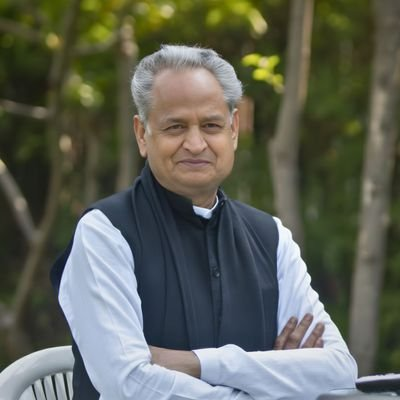
Jaipur, March 25 (IANS) Former Chief Minister Ashok Gehlot on Wednesday released the third chapter of his digital series “Intezaar Shastra – The Science of Waiting”, raising serious concerns over the delay in the construction of the IPD Tower at the Women’s Hospital (Sanganeri Gate) in Jaipur.
He alleged that the project has fallen victim to the neglect and insensitivity of the current BJP government, leaving critical healthcare infrastructure incomplete.
Gehlot stated that the project was initiated by the Congress government in February 2023, with an estimated cost of around Rs 117 crore, to provide world-class healthcare facilities for women.
The proposed IPD Tower is designed to significantly enhance medical services, featuring a capacity of 500 beds, a modern 50-bed ICU, and six state-of-the-art modular operation theatres.
According to him, the project was a key step toward strengthening maternal and women’s healthcare in the state.
He expressed deep concern that the project, which was scheduled to be completed and dedicated to the public by August 2025, is now facing delays and remains in limbo.
Questioning the current administration, Gehlot asked whether women’s healthcare was no longer a priority and how much longer the people of the state – especially mothers and sisters – would have to wait for such essential infrastructure.
Referring to his ongoing digital series, Gehlot pointed out that this was not an isolated issue.
In the first and second chapters of “Intezaar Shastra”, he had already raised questions over delays in the construction of the IPD Tower at SMS Hospital as well as projects related to the Mahatma Gandhi Institute of Social Sciences.
Throughout the series, he has consistently highlighted what he describes as a pattern of slow progress and administrative inaction in completing key public welfare projects initiated during his tenure.
Raising concerns over healthcare infrastructure, Gehlot questioned the delay in the construction of the 1,200-bed IPD Tower at SMS Hospital in the second chapter of his series.
He said the project, envisioned in 2022 and scheduled for completion by 2024, has now overshot its deadline by more than a year, with little visible progress.
He commented that the hospital was to be constructed by 2022; however, it had been over a year past the deadline and was still incomplete.
Gehlot further alleged that during the BJP’s tenure, not even a single storey of the tower had been constructed.
He added that the delay in the IPD Tower meant compromising patients’ lives, and that the project was intended to provide relief to thousands of patients visiting the state’s largest government hospital.
--IANS
arc/dan
MP: Ayushman Bharat Yojana turns lifesaver, Dewas district hospital offers free dialysis
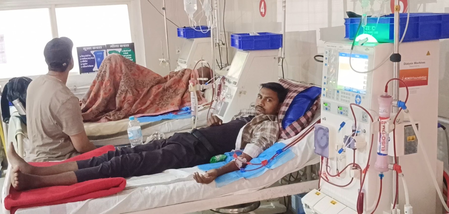
Bhopal, March 25 (IANS) In a remarkable achievement under the Ayushman Bharat-Pradhan Mantri Jan Arogya Yojana (AB-PMJAY), hundreds of residents in Dewas district of Madhya Pradesh are receiving daily medical treatment, including free dialysis at the district hospital.
The beneficiaries of Ayushman Yojana, primarily from poor and marginalised families, are receiving free healthcare services at the hospital. Patients are recovering from serious illnesses at minimal cost, leaving their family members relaxed about the accruing medical costs.
Many patients and their families extended their gratitude to Prime Minister Narendra Modi for launching the public welfare initiative, targeting the poor.
Kantilal, a resident of Kelod village, shared that he received his Ayushman card three years ago and has been reaping its benefits since then. Since 2022, he has been receiving free dialysis treatment at the District Hospital.
He noted that previously he had to make repeated rounds to private hospitals for treatment, but now his entire medical expense is being taken care of.
Sunil Chauhan, a resident of Rajaram Nagar, also shared his experience.
He obtained his Ayushman card four years ago. He has been battling a serious illness that necessitates regular dialysis. Since 2022, he has been receiving free dialysis treatment under the Ayushman scheme, which has provided him relief from the disease as well as financial burden.
He remarked that had he not possessed an Ayushman card, he wouldn’t have been able to get himself treated.
Besides these, many other patients in the district suffering from ailments are entitled to medical facilities running into lakhs of rupees, under the Ayushman Bharat scheme.
Chief Medical and Health Officer Sarojini James stated that patients are receiving free medical care under the Ayushman Bharat scheme at various facilities, including the District Hospital and other affiliated hospitals.
Under the Central Government's ambitious initiative—the Pradhan Mantri Ayushman Bharat Scheme—thousands of people in Dewas, Madhya Pradesh, are benefiting from free medical treatment.
Launched by Narendra Modi, the scheme aims to provide improved healthcare facilities to people belonging to economically weaker sections of society.
The Ayushman Bharat Yojana, being the world’s largest public healthcare scheme, aims to provide health insurance of up to Rs 5 lakhs to each eligible household annually.
--IANS
mr/dan
Cabinet approves NDC for 2031-2035 as India aims to reach Net Zero by 2070

New Delhi, March 25 (IANS) In a key step towards meeting its climate goals, the government on Wednesday approved Nationally Determined Contribution (NDC) for the period 2031 to 2035, as the country commits to reduce emissions intensity of its GDP by 47 per cent by 2035 from 2005 level.
The decision taken by the Union Cabinet, under the chairmanship of Prime Minister Narendra Modi, enhances the country’s ambition under the United Nations Framework Convention on Climate Change (UNFCCC) and its Paris Agreement, while reinforcing its commitment to sustainable development and climate justice.
“India’s NDC for 2031-35 is guided by the vision of Viksit Bharat, which is not just a goal for 2047, but a commitment to act today to build a prosperous, and climate resilient Bharat for the future generations,” the Cabinet said in a statement.
The Cabinet’s approval of India’s NDC for the period 2031 to 2035 marks a major milestone in India’s journey towards a low-carbon, climate-resilient future, further strengthening its role as a global leader in climate action.
The country has announced its targets for 2031-35, marking a significant step towards the goal of achieving net-zero by 2070.
India’s original climate commitments, with targets by 2030 of 33–35 per cent reduction in the emissions intensity of GDP and 40 per cent share of non-fossil resources based electric power installed capacity, were met 11 years and nine years ahead of the committed timelines, respectively.
The emissions intensity has since reduced by 36 per cent during 2005 to 2020, and the target has now been enhanced to 47 per cent to be achieved by 2035.
Towards the updated NDC’s goal on enhancing share of non-fossil fuel energy resources in installed electric power capacity, the country has achieved 52.57 per cent non-fossil capacity (February 2026), successfully meeting the target five years ahead of the timeline and now the ambition has been further raised to 60 per cent share of non-fossil fuel-based energy resources in installed electric power capacity to be achieved by 2035.
India has already created 2.29 billion tonnes of CO2 equivalent by 2021 afforestation and ecosystem restoration efforts continue to contribute towards India’s carbon sink targets while supporting rural livelihoods.
“Now, we have further enhanced the ambition of creating carbon sink through forest and tree cover to 3.5-4.0 billion tonnes of CO2 equivalent by 2035 from 2005 level,” said the Cabinet.
The country's climate action is being implemented at local level through various schemes and programme such as Jal Jeevan Mission, National Mission on Sustainable Agriculture, Sustainable Habitat, MISHTI (Mangrove Initiative for Shoreline Habitats & Tangible Incomes), National Disaster Management Plan, Soil Health Card and Pradhan Mantri Krishi Sinchayee Yojana (PMKSY), etc.
--IANS
na/
Norovirus hits primary school in China’s Shanxi

Taiyuan, March 25 (IANS) Mass vomiting and diarrhea cases were reported at Yucai Primary School in Xiaodian District of Taiyuan, capital of north China's Shanxi Province, on Wednesday morning, with initial tests confirming norovirus infection, according to local education authorities.
An official from the district education bureau said that over 100 students have taken leave, and efforts are underway to confirm the exact number of cases. Classes at the affected campus have been suspended, with teachers providing online instruction to ensure uninterrupted learning for other students.
Health authorities have launched disinfection protocols and epidemiological investigations, while the cause of the outbreak remains under investigation, Xinhua news agency reported.
According to the World Health Organization, Norovirus is a viral illness that is the most common cause of acute gastroenteritis globally. Symptoms of norovirus include acute onset diarrhea and vomiting. Emerging evidence suggest that norovirus infection is associated with intestinal inflammation, malnutrition and may cause long-term morbidity. It is sometimes called the "stomach flu" or the "stomach bug." However, norovirus illness is not related to the flu. The flu is caused by the influenza virus. Norovirus causes acute gastroenteritis, an inflammation of the stomach or intestines.
An estimated 685 million cases of norovirus are seen annually, including 200 million cases amongst children under 5. The burden of norovirus is significant; norovirus causes an estimated 200,000 deaths per year, including 50,000 child deaths, primarily impacting low-income countries. Norovirus has been estimated to cost $60 billion globally as a result of healthcare costs and economic losses.
Most people with norovirus illness get better within 1 to 3 days; but they can still spread the virus for a few days after.
If you have norovirus illness, you can feel extremely ill, and vomit or have diarrhea many times a day. This can lead to dehydration (loss of body fluids), especially in young children, older adults, and people with other illnesses.
--IANS
jk/
India launches world’s 1st clinical trial to test Ayurveda with TB treatment
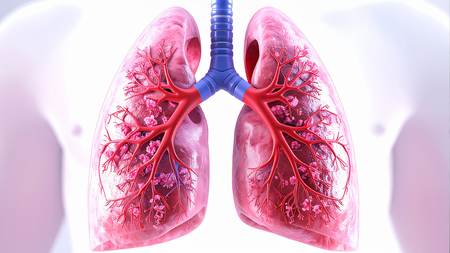
New Delhi, March 24 (IANS) On the occasion of World Tuberculosis Day, India announced the world’s first clinical study to scientifically evaluate Ayurveda as an adjunct to standard Anti-Tuberculosis Treatment (ATT), the government said on Tuesday.
The collaborative clinical study between the Department of Biotechnology and the Ministry of Ayush will enrol 1,250 newly diagnosed tuberculosis patients across eight institutions to evaluate Ayurveda as an adjunct to standard treatment, focusing on body weight, nutritional outcomes, disease progression, quality of life, safety, and tolerability.
Union MoS for Science & Technology Jitendra Singh said the study reflects the spirit of “whole-of-science,” approach by integrating biotechnology and Ayurveda; “whole-of-government” approach through collaboration between ministries.
DG, CCRAS, Prof. Vaidya Rabinarayan Acharya said the initiative has progressed through consultations, protocol finalisation, and approvals.
Director, BRIC-NII, Dr. Debasisa Mohanty said the study will examine tuberculosis-associated cachexia as an immune-metabolic condition, using advanced tools such as DEXA, MRI, immune profiling, metabolomics, and single-cell RNA sequencing to understand changes in body composition, immune function, and energy metabolism.
It is aimed to assess how integrative interventions influence recovery and long-term outcomes, the statement from the Ministry of Science & Technology said.
Minister Jitendra Singh said India, which accounts for nearly 25 per cent of the global TB burden, saw a 21 per cent drop in a decade in tuberculosis incidence to about 187 cases per 1,00,000 population in 2024.
“The decline in TB incidence is an outcome of India’s dedicated and innovative efforts. Through a collective spirit, we will keep working towards a TB-free India,” he quoted Prime Minister Narendra Modi.
India has adopted an ambitious and accelerated pathway towards TB elimination, strengthening early diagnosis, universal drug susceptibility testing, digital adherence technologies, and patient-centric care under the National TB Elimination Programme, the minister said.
He pointed out the reciprocal relationship between TB and conditions such as diabetes, where each can aggravate the other, making integrated approaches essential for effective disease management.
He also referred to the RePORT India programme, one of the largest TB research consortia, with over 4,500 enrolled TB patients and over 5,000 household contacts, generating evidence relevant for global policy frameworks, including WHO guidelines on nutrition and tuberculosis.
—IANS
aar/pk
Conjunctivitis cases rise in Chennai; doctors stress hygiene, early treatment
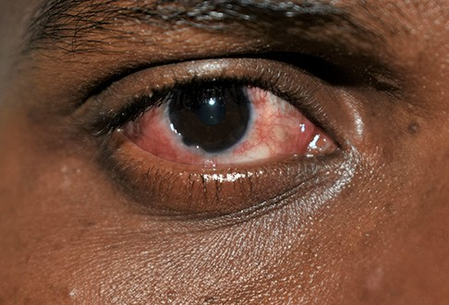
Chennai, March 24 (IANS) Chennai is witnessing a fresh surge in conjunctivitis cases, with hospitals across the city reporting a steady increase in patients seeking treatment for the highly contagious eye infection.
Doctors report that outpatient departments are now recording approximately 8 to 10 new cases daily, raising concerns about their rapid spread in densely populated neighbourhoods and workplaces.
Medical experts attribute the spike to seasonal changes, particularly the transition from monsoon conditions to the summer. Both government and private hospitals have reported a noticeable rise in cases in recent days, with children and working adults equally affected.
Patients show symptoms such as redness, irritation, watery discharge, itching, and sensitivity to light. While conjunctivitis is generally a mild and self-limiting condition, doctors caution that delayed treatment can prolong recovery and increase the risk of transmission within households and communities.
According to ophthalmologists, the infection spreads primarily through direct or indirect contact. Sharing personal items such as towels, handkerchiefs, pillows, or cosmetics can significantly increase the chances of infection. Frequent touching or rubbing of the eyes also contributes to its spread.
“Owing to the seasonal transition, we are seeing a clear rise in conjunctivitis cases. While it is usually mild, early diagnosis and strict hygiene are crucial to prevent it from spreading within families and workplaces,” said Ophthalmologist Dr Rajani Arun.
Health experts emphasise that maintaining strict hygiene is crucial in controlling the outbreak. Regular handwashing, avoidance of eye contact, and non-sharing of personal items are among the key preventive measures recommended. Infected individuals are also advised to limit close contact with others until symptoms subside.
Doctors have also clarified a common misconception that conjunctivitis spreads by merely looking at an infected person. They stressed that transmission occurs only through contact and not through visual exposure.
Wearing sunglasses, they said, is helpful mainly to reduce discomfort caused by light sensitivity rather than as a preventive measure. Medical professionals recommend that individuals seek consultation within one or two days of noticing symptoms. As eye redness can result from multiple causes, proper diagnosis by an ophthalmologist is essential.
Early intervention not only ensures quicker recovery but also helps prevent complications. With timely treatment and adequate care, most patients recover within a week. However, doctors continue to advise vigilance, particularly among parents and office-goers, as the seasonal surge shows no immediate signs of slowing down.
--IANS
aal/skp
Ayushman Bharat crosses 11.69 crore hospital admissions, 6.74 crore in private hospitals: Govt
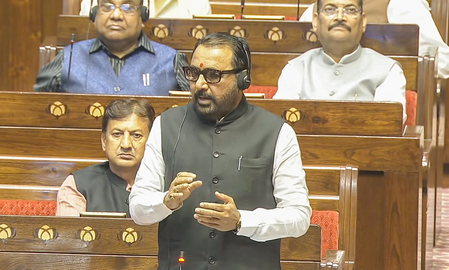
New Delhi, March 23 (IANS) As many as 11.69 crore hospital admissions have been authorised under the Ayushman Bharat scheme till February 28, including 6.74 crore in private hospitals, the Parliament was informed on Monday.
In a written reply in the Lok Sabha, Minister of State for Health and Family Welfare Prataprao Jadhav said that strict guidelines are in place to ensure that hospitals provide treatment to beneficiaries without refusal.
In case of any denial or irregularity, patients can file complaints through the Centralised Grievance Redressal Management System or call the 24x7 toll-free helpline 14555.
“As on February 28, 2026, a total of 11.69 crore hospital admissions have been authorised under the scheme, including 6.74 crore admissions in private hospitals,” the minister stated.
“Under AB-PMJAY, such grievances are monitored through a three-tier grievance redressal mechanism at the District, State and National level,” Jadhav added.
He added that at each level, designated nodal officers and Grievance Redressal Committees are in place to examine and resolve the grievances.
The government also highlighted that the number of hospitals empanelled under the scheme has seen a sharp rise over the years.
“From 6,917 hospitals in 2018-19, the network has expanded to 36,229 hospitals as of February 28, 2026. This includes 19,483 public hospitals and 16,746 private hospitals, providing a wide healthcare network to beneficiaries across the country,” Jadhav explained.
The minister said that empanelment of hospitals is a continuous and voluntary process, carried out by states and Union Territories based on need and availability of eligible healthcare providers as per National Health Authority guidelines.
On claims settlement, the government said the process remains regular and uninterrupted. Claims are settled by State Health Agencies within a defined timeline of 15 days for hospitals within the state and 30 days for cases involving treatment outside the state under portability.
--IANS
pk
Iran war in perilous stage, peace is the best medicine: WHO chief
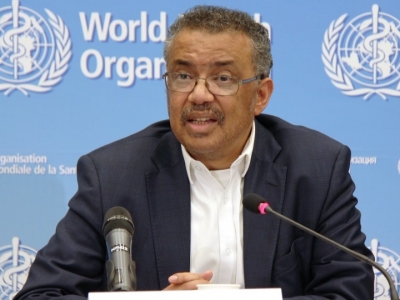
New Delhi, March 22 (IANS) Tedros Adhanom Ghebreyesus, Director-General of the World Health Organisation (WHO), on Sunday said the war in the Middle East has reached a perilous stage with strikes reportedly hitting the Natanz Enrichment Complex in Iran, and the Israeli city of Dimona, where a nuclear facility is located.
The International Atomic Energy Agency (IAEA) is looking into incidents reported in southeastern Iran, and in Israel’s city of Dimona.
“No indications of abnormal or increased off-site radiation levels have been reported. Attacks targeting nuclear sites create an escalating threat to public health and environmental safety,” Ghebreyesus posted on X.
Since the outbreak of hostilities, WHO has provided critical training to its own staff and UN personnel across 13 countries to help them respond effectively to public health threats in the event of a nuclear incident.
“I urgently call on all parties to exercise maximum military restraint and avoid any actions that could trigger nuclear incidents. Leaders must prioritise de-escalation and protect civilians. Peace is the best medicine,” said the WHO chief.
He further stated that war doesn't bring peace.
“It just teaches the next generation new reasons to hate,” he added.
Meanwhile, US President Donald Trump has threatened to “hit and obliterate” Iran’s power plants within 48 hours if it does not reopen the Strait of Hormuz, even as he said Washington was close to meeting its military objectives in the conflict.
In a series of posts, Trump issued a direct ultimatum over the strategic waterway, saying: “If Iran doesn’t FULLY OPEN, WITHOUT THREAT, the Strait of Hormuz, within 48 HOURS… the United States of America will hit and obliterate their various POWER PLANTS, STARTING WITH THE BIGGEST ONE FIRST!”
The warning marks a sharp escalation centred on the Strait of Hormuz, a vital global energy route, even as Trump signalled that US military operations could soon wind down.
He said the US had also moved to dismantle Iran’s military strength, including “eliminating their Navy and Air Force, including Anti-Aircraft Weaponry.”
—IANS
na/
India’s digital partnership opens way ahead for Nigeria: Report

New Delhi, March 22 (IANS) India’s MoUs with Nigeria on sharing digital technology provide the African nation with an opportunity to emulate the successful experiment already carried out in a 1.4 billion strong country in delivering social welfare services, education and the creation of jobs.
The MoUs were signed in New Delhi when Nigeria’s Minister of Communications, Innovation and Digital Economy, Bosun Tijani, agreed on two key frameworks: one with India’s Ministry of Electronics and Information Technology (MeitY) and another with the Central Square Foundation, an Indian EdTech‑focused organisation.
“For millions of young Nigerians who dream of building the next African tech giant, or for parents who simply want their children to access better education and services, the digital‑technology partnership Nigeria signed with India in 2023 was not just a dry diplomatic agreement; it was a quiet but powerful turning point,” according to an article in India Narrative written by Chukwudi Okeke, a Startup Mentor and co-founder of Nigeria Innovation Hub in Lagos.
India did not just build a digital economy; it rewired how a billion people interact with government, banks, and schools. Nigeria, with its own vast population, youthful energy, and struggling infrastructure, now has a rare opportunity to learn from that experience, adapt it to local realities, and turn digital transformation into tangible progress for ordinary Nigerians, the article states.
The MeitY agreement focuses on sharing digital‑solutions, particularly in e‑governance, digital‑identity, and public‑service delivery, while the Central Square pact targets technology‑enabled education and digital‑learning infrastructure in Nigeria’s public schools and training institutions.
Together, these agreements lay the groundwork for structured technology transfer, joint pilot projects, and institutional exchanges between Nigerian and Indian agencies. Nigeria’s ambition is clear: we want to create one million digital‑economy jobs by 2025 and raise digital‑literacy levels among our youth.
Choosing India as a partner is deliberate, because India’s experience shows that digital transformation can be done at scale if it is planned, funded, and executed with political will, the article points out.
India’s digital‑state architecture offers Nigeria a near‑ready‑made template for how to build public‑tech infrastructure without reinventing the wheel. India’s Aadhaar‑based digital‑identity system, combined with India Stack and its Unified Payments Interface (UPI), has turned a paper‑based economy into one where hundreds of millions of people can open bank accounts, receive government payments, and make real‑time payments from a mobile phone, the article states.
--IANS
sps/na
Indian pharma companies launch generic semaglutide injections for diabetes

New Delhi, March 21 (IANS) Three Indian pharmaceutical companies have launched generic versions of semaglutide injections, after the drug’s patent expired, offering lower‑cost options for patients managing Type 2 diabetes and obesity.
The companies, namely Sun Pharma, Zydus Lifesciences, and Dr. Reddy's Laboratories, launched their variants a day after Hyderabad-based Natco Pharma launched its generic semaglutide injection in India, priced at Rs 1,290 per month.
Sun Pharma launched semaglutide under the brand names Noveltreat and Sematrinity, where former is indicated for chronic weight management, and offered in five dose strengths, while latter targeted Type 2 diabetes not properly controlled and is available in two dose strengths.
The weekly therapy costs range from approximately Rs 900 to Rs 2,000 for Noveltreat, and Rs 750 to Rs 1,300 for Sematrinity, according to reports.
Zydus Lifesciences launched its semaglutide injection in a reusable multi‑dose pen device. The drug is marketed as SEMAGLYN, MASHEMA and ALTERME for both Type 2 diabetes and obesity, at an average monthly treatment cost estimated at Rs 2,200, reports mentioned.
Dr. Reddy’s Laboratories announced Obeda, which it described as India’s first DCGI‑approved generic semaglutide for Type 2 diabetes. The drug is sold in 2 mg and 4 mg pre‑filled disposable pens for once‑weekly use priced at Rs 4,200 per month for both strengths.
Semaglutide belongs to GLP-1 receptor agonists class, with a globally proven track record of improving glycaemic control and supporting weight management.
India’s pharmaceutical exports grew by 9.4 per cent in 2024–25 to reach $30.47 billion, and the industry is now preparing to achieve double-digit growth in 2026–27 with strong government support, the Ministry of Commerce and Industry said last month.
The pharmaceutical sector, currently valued at around $60 billion, is projected to grow to $130 billion by 2030, the ministry said.
The country ranks third globally in terms of volume of medicines produced and exports its pharmaceutical products to more than 200 countries.
—IANS
aar/