



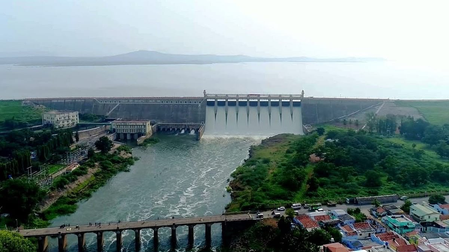
Chennai, July 20 (IANS) A weak southwest monsoon, poor inflows into major reservoirs and prolonged heatwave conditions have sharply reduced hydel power generation in Tamil Nadu this year, increasing the state’s dependence on expensive electricity purchases from the power exchange to meet rising demand.
Official data shows that between April 1 and July 17, Tamil Nadu generated only 751.034 million units (MU) of hydel power, nearly half the 1,509.549 MU produced during the corresponding period last year.
The steep fall has come at a time when electricity demand remained high well into July, placing additional pressure on the state’s power system.
Hydel power is among the cheapest sources of electricity available to the state, with generation costs remaining below Rs 1 per unit.
Tamil Nadu generally maximises hydel generation during the summer months and peak-demand periods to reduce dependence on costlier power sources. However, this year, the extended spell of high temperatures combined with below-normal rainfall significantly reduced water availability in reservoirs, limiting the operation of hydroelectric stations.
The fall in hydel generation has also resulted in a substantial financial burden on the state’s power distribution utility. To bridge the shortfall, the utility has been compelled to procure electricity from the power exchange over the past three months at prices ranging between Rs 16 and Rs 20 per unit.
Officials estimate that nearly 2,000 MU of electricity has been purchased during this period, considerably increasing overall power procurement costs.
The situation has been aggravated by inadequate releases of Cauvery water from Karnataka, which further reduced water availability in reservoirs feeding several hydroelectric projects.
With monsoon activity yet to improve significantly, officials expect hydel generation to remain under pressure in the coming weeks unless rainfall increases substantially across the catchment areas.
Experts within the power sector have also pointed to the impact of inadequate reservoir maintenance on hydel generation.
While desilting was carried out in a few reservoirs, including Bhavanisagar and Kundah, in 2010, no major desilting work has been undertaken since then. Officials estimate that silt accumulation has reduced the effective storage capacity of most reservoirs by nearly 20 per cent, limiting their ability to store water during the monsoon and affecting electricity generation.
They believe timely desilting could have improved storage capacity, enhanced hydel output and reduced the state’s dependence on costly power purchases during periods of high demand.
–IANS
aal/dpb