



New Delhi, May 13 (IANS) The consumer price index inflation rose mildly to 3.48 per cent in April from 3.40 per cent in March, and CPI‑based inflation is expected to average 5.1 per cent in fiscal 2027, a report said on Wednesday.
“While the conflict in West Asia has crossed 74 days, the upside risks to retail inflation seem to be materialising at a snail’s pace, indicating that the consumer remains largely protected so far,” the report from Crisil Ratings said.
The Reserve Bank of India’s Monetary Policy Committee is expected to keep rates and stance unchanged in the forthcoming monetary policy, it said.
The energy shock from supply chain disruption has pushed oil prices forecasts up, with Brent crude expected to average $90‑95 per barrel in FY27, roughly 32 per cent higher year‑on‑year, the report forecasted.
While electricity, gas and fuel inflation eased in April due to base effects, transport fuel inflation has been held in check by the government’s decision to keep pump prices of petrol and diesel steady.
Core inflation remained steady at 3.7 per cent for the fourth consecutive month as the expected pass-through of higher energy and other input prices to consumers is yet to play out.
Although inflation in restaurants and accommodation services as well as household furnishings and equipment increased as expected, a slower rise in precious metal inflation provided some cushion.
The report flagged that even though the government restrained the rise in retail fuel inflation by keeping the pump prices of petrol and diesel unchanged, these could come under pressure in the coming months.
Producers are expected to pass on the sharp rise in the cost of energy and other inputs, as well as trade and transportation, to consumers, which will likely raise core inflation, it warned.
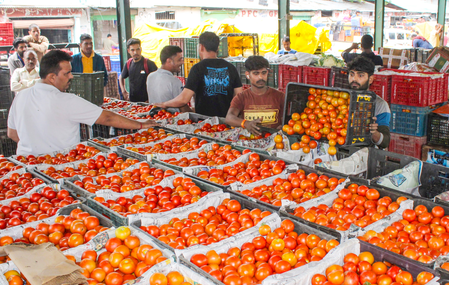
Further, expected below-normal monsoon rainfall amid likely El Niño conditions and the ongoing heatwaves can hurt agricultural production and exert pressure on food inflation, which is normalising from its lows.
—IANS
aar/ag