



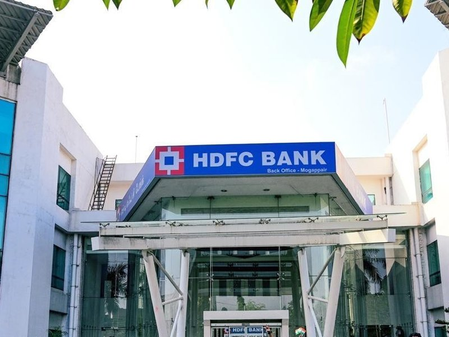
Mumbai, June 29 (IANS) HDFC Bank has appointed former Finance Secretary Rajiv Kumar as its new part-time Chairman for a period of three years, according to a regulatory filing made by the private sector lender on Monday.
The appointment brings an experienced policymaker and former bureaucrat to the helm of the bank’s board at a time when the institution is focusing on strengthening governance and oversight.
Kumar succeeds former chairman Atanu Chakraborty, who stepped down earlier this year citing concerns over practices that he said were not aligned with his personal values and ethics.
In his resignation letter, Chakraborty emphasised that his decision was driven purely by matters of principle and that there were no other material reasons behind his exit.
His abrupt resignation had sparked considerable discussion within the banking sector.
Following Chakraborty’s departure in March 2026, Keki Mistry was appointed as interim part-time chairman. His appointment was widely viewed as a temporary arrangement intended to ensure continuity in board leadership. Given Mistry’s long association with the HDFC group, industry observers had pointed to potential conflict-of-interest concerns if the interim arrangement had continued for an extended period.
Rajiv Kumar brings with him more than three decades of administrative and financial sector experience. A 1984-batch Indian Administrative Service officer, he retired as Finance Secretary to the Government of India in February 2020. After retirement, he briefly served as the Chairman of the Public Enterprises Selection Board.
During his tenure in the Finance Ministry, Kumar played a pivotal role in several major banking reforms. He was instrumental in the 2019 consolidation of 10 public sector banks into four larger entities, a landmark restructuring exercise aimed at improving efficiency and strengthening the banking system. He also led initiatives related to bank recapitalisation, governance reforms and financial sector oversight.
Kumar is credited with strengthening risk management and regulatory frameworks across the banking sector by promoting specialised monitoring of large exposures and introducing technology-driven risk assessment systems. He also focused on depositor protection and financial stability measures, including the enhancement of deposit insurance coverage from Rs 1 lakh to Rs 5 lakh.
–IANS
pk