
IMD predicts heat wave relief as thunderstorms hit northwest India

New Delhi, May 28 (IANS) The India Meteorological Department has announced a significant abatement of the prevailing heat wave to severe heat wave conditions across many parts of northwest India starting Thursday.
However, some pockets in Rajasthan, Vidarbha, and east Madhya Pradesh are likely to continue experiencing hot conditions for a few more days before temperatures drop notably from Friday.
According to the latest weather bulletin, maximum temperatures are expected to fall by 6-8 degrees Celsius over northwest India between May 28 and 30, followed by a slight rise later.
In the past 24 hours, several areas recorded extreme heat, with Sriganganagar in Rajasthan touching 48.2 degrees Celsius.
Heat wave conditions were observed at many places in west Rajasthan and in isolated pockets across Uttar Pradesh, Haryana, Delhi, and east Madhya Pradesh.
A major weather shift is underway with the approach of a Western Disturbance and active monsoon systems.
Moderate to severe thunderstorm activity accompanied by squally winds is likely over northwest, central, and east India from May 28 to 31.
Gusty winds reaching 60-80 kmph, with gusts up to 100 kmph in some areas, along with lightning and hailstorms, are expected, particularly over Punjab, Haryana, Delhi, Uttar Pradesh, and Rajasthan on May 28 and 29.
Isolated heavy rainfall is forecast over Northeast India, Odisha, Gangetic West Bengal, Bihar, and parts of South Peninsular India, including Tamil Nadu, Kerala, and Karnataka, in the coming days.
The Southwest Monsoon has further advanced into parts of the Arabian Sea, Bay of Bengal, and Lakshadweep, with conditions favourable for more progress in the next 2-3 days.
In Delhi and NCR, the capital is likely to witness partly cloudy skies turning generally cloudy by evening on May 28 with a spell of light rain and thunderstorms. Strong winds gusting to 70 kmph are expected during the evening and night.
A sharp drop in temperatures is predicted with maximums falling to 35-37 degrees Celsius on May 29 and 34-36 degrees Celsius on May 30, providing much-needed relief after days of scorching 44-46 degrees Celsius heat.
The IMD has issued warnings for thunderstorms, lightning, and strong winds that could cause damage to trees, power lines, and vulnerable structures. Citizens are advised to stay indoors during peak thunderstorm activity, avoid taking shelter under trees, and unplug electrical appliances.
Farmers have been urged to secure standing crops and harvested produce.
With the monsoon advancing steadily, this transition is expected to bring cooler temperatures and rainfall across large parts of the country, though authorities caution against complacency due to risks of localised flooding, hail, and gusty winds. Residents in vulnerable areas should remain alert and follow safety advisories issued by local administrations.
--IANS
sktr/vd
P&G Hygiene Q4 profit slips 2 pc, revenue declines 5 pc
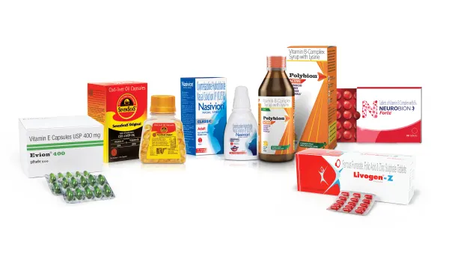
Mumbai, May 28 (IANS) Procter and Gamble Hygiene and Health Care Limited on Thursday reported a 2 per cent decline in net profit for the fourth quarter of fiscal 2026 (Q4 FY26).
The company posted a consolidated net profit of Rs 153 crore in the January-March quarter, compared to Rs 156 crore reported in the corresponding quarter of the previous financial year (Q4 FY25), according to its stock exchange filing.
Revenue from operations declined 5.1 per cent year-on-year to Rs 941 crore during the quarter, compared to Rs 992 crore in the same period last fiscal.
Despite the decline in revenue, the company reported improvement in operating performance.
EBITDA rose 4.1 per cent to Rs 218 crore from Rs 210 crore in the year-ago quarter, while EBITDA margin expanded to 23.2 per cent from 21.1 per cent.
P&G Hygiene also announced a final dividend of Rs 60 per equity share for fiscal 2026. The company said the total payout to shareholders will amount to nearly Rs 194.76 crore.
The record date for determining shareholders eligible for the final dividend has been fixed as August 17.
The company said the dividend is subject to approval of shareholders at the ensuing annual general meeting and will be paid from September 18 onwards.
Earlier this year, the FMCG company had declared an interim dividend of Rs 170 per share along with a special dividend of Rs 25 per share in February 2026.
In previous payouts, the company had announced a dividend of Rs 65 per share in August 2025, an interim dividend of Rs 110 per share in February 2025 and a dividend of Rs 95 per share in November 2024.
--IANS
pk
Alkem Labs’ Q4 profit falls 27.7 pc; declares Rs 10 dividend
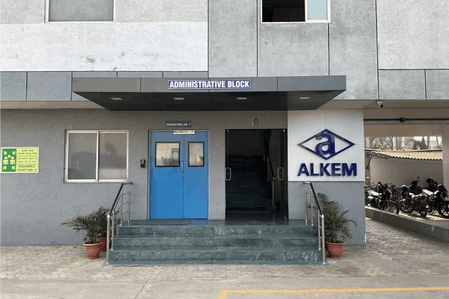
Mumbai, May 28 (IANS) Pharmaceutical major Alkem Laboratories Limited on Thursday reported a 27.7 per cent decline in consolidated net profit for the fourth quarter of fiscal 2026 (Q4 FY26), impacted by a one-time loss during the quarter.
The company posted a net profit of Rs 236 crore for the quarter ended March 2026, compared to Rs 306 crore in the corresponding quarter of the previous financial year (Q4 FY25), according to its stock exchange filing.
Alkem Labs said the earnings were affected by a one-time loss of Rs 135 crore recorded during the quarter.
Despite the fall in profit, the company registered healthy growth in revenue. Consolidated revenue from operations rose 14.6 per cent year-on-year to Rs 3,603 crore in the March quarter, up from Rs 3,144 crore reported in the same period last financial year.
The company’s EBITDA increased 32.2 per cent to Rs 517 crore against Rs 391 crore in the year-ago quarter.
EBITDA margin also improved to 14.4 per cent from 12.4 per cent in the corresponding quarter of FY25.
Alkem Labs also announced a final dividend of Rs 10 per equity share for fiscal 2026. The total payout to shareholders is estimated at nearly Rs 119.57 crore.
The company said August 7 has been fixed as the record date to determine shareholders eligible for the final dividend.
The dividend payment is subject to shareholders’ approval at the upcoming annual general meeting and will be paid from September 1 onwards.
Earlier this year, the company had announced an interim dividend of Rs 43 per share in February 2026.
In the previous financial years, Alkem Labs had paid dividends of Rs 8 per share in August 2025, Rs 37 per share in February 2025 and Rs 5 per share in August 2024.
Meanwhile, the company also announced the appointment of Madhurima Singh as Executive Director for a period of five years with effect from December 20.
--IANS
pk
AI skill demand surges 178 pc across India’s CDMO sector: Report

New Delhi, May 28 (IANS) India’s contract development and manufacturing organisation (CDMO) sector is seeing a rapid realignment of hiring toward AI‑enabled capabilities, with AI‑linked skill demand up 178 per cent over the past two years, a report said on Thursday.
The report from HR solutions provider CIEL HR said the overall sectoral hiring rose 52 per cent from 2023 to 2025, while AI‑linked demand climbed from 6.2 per cent to 17.2 per cent in 2025.
The technology and digital roles showed the highest AI demand at nearly 38 per cent. Demand for AI-led skills is expanding beyond traditional technology roles into core functions such as research and development, quality and analytics.
Overall hiring saw the momentum shifting from manufacturing to capability-intensive roles amid sustained capacity expansion and rising complexity in outsourced pharmaceutical programs.
The report said that manufacturing and operations remained the largest single segment with 1,820 roles in 2025. However, these functions showed the slowest growth among role families at about 8 per cent year‑on‑year.
Hiring momentum is increasingly shifting away from labour intensity toward automation, planning accuracy and quality predictability.
The report flagged a widening execution gap between demand and available talent, particularly in high-value scientific roles.
While demand for AI skills in research and development roles has gone up to 24 per cent, the current supply of AI-skilled talent in these functions remains below 1 per cent, creating a significant execution constraint.
"The CDMO sector is entering a phase where competitive advantage will be the ability to integrate intelligence into every layer of operations. AI is becoming central to how research is accelerated, manufacturing is optimised and client commitments are delivered,” said Aditya Narayana Mishra, MD and CEO, CIEL HR.
The report noted that out of nearly 1,44,000 manufacturing professionals, only about 0.8 per cent are AI‑skilled. In commercial roles with nearly 1,19,000 professionals, nearly 0.1 per cent have AI capability. Data and analytics roles showed roughly 15 per cent AI skill penetration.
—IANS
aar/ag
Africa CDC thanks India for pharmaceutical aid to support Ebola containment in DR Congo
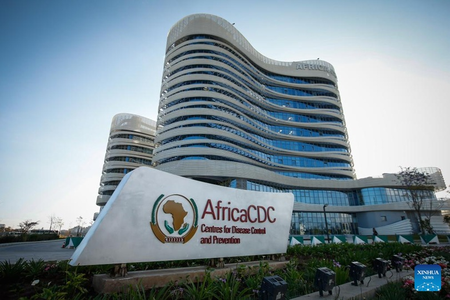
New Delhi, May 28 (IANS) India has dispatched emergency pharmaceutical supplies as part of efforts to contain the Bundibugyo Ebola outbreak in the Democratic Republic of Congo, according to the Africa Centres for Disease Control and Prevention (Africa CDC).
The Ethiopia‑headquartered Africa CDC said in a social media post that the consignment, donated by the Government of India, was received in Uganda by its Eastern Africa Regional Coordinating Centre and will be deployed to affected communities in eastern DR Congo.
The supplies comprise essential diagnostics, therapeutics, infection prevention and control materials, and case management support, the agency said.
“Africa CDC welcomes the arrival of emergency pharmaceutical supplies generously donated by the government and people of India to support the ongoing response to the Bundibugyo Ebola outbreak in the DRC,” the continental public health agency said.
It thanked India for its “continued support and commitment to protecting lives and advancing health security across the continent”.
WHO declared the ongoing Ebola situation in the region as a Public Health Emergency of International Concern on May 17.
Over 1,000 suspected infections and at least 220 deaths had been reported as of Tuesday, including seven confirmed cases in Uganda, though health agencies have warned the true scale may be higher.
The Bundibugyo strain, one of six known species of the Ebola virus, has caused periodic outbreaks since its identification in Uganda in 2007. The World Health Organization (WHO) has said there are currently no approved drugs or vaccines specifically for the Bundibugyo strain.
Ebola often turns into a fatal illness transmitted through direct contact with infected bodily fluids, contaminated materials or infected animals, with symptoms ranging from fever, vomiting, diarrhoea and, in severe cases, internal and external bleeding.
India has stepped up medical assistance to African countries in recent years, supplying medicines and vaccines particularly during public health emergencies such as the COVID‑19 pandemic.
—IANS
aar/ag
Govt spending on primary healthcare more than doubles to Rs 1.4 lakh crore
New Delhi, May 27 (IANS) India has witnessed a significant rise in public spending on primary healthcare over the last decade, with government expenditure increasing from Rs 0.5 lakh crore in 2013-14 to Rs 1.4 lakh crore in 2022-23, as per the latest National Health Accounts (NHA) estimates on Wednesday.
The NHA estimates, released annually, provide a time-series analysis of actual health expenditure incurred by the government, private sector and other sources.
The current estimates for 2022-23 mark the 10th edition in the series that began in 2013-14.
According to the report, the steady rise in healthcare spending highlights the government’s increasing focus on strengthening primary healthcare services and improving healthcare access across the country.
A key component of this effort has been the operationalisation of more than 1.8 lakh Ayushman Arogya Mandir (AAMs) across India.
These centres provide 12 comprehensive primary healthcare service packages covering reproductive and child healthcare, communicable and non-communicable diseases, mental health, palliative care, oral healthcare, ENT services and emergency care.
The centres also offer free medicines, diagnostic services, wellness sessions and teleconsultation facilities.
To strengthen healthcare delivery further, the government has expanded the essential drug lists available at public healthcare facilities.
Under the revised framework, 106 drugs are available free of cost at SHC-AAMs, 172 at PHC-AAMs, 300 at community health centres, 318 at sub-district hospitals and 381 at district hospitals.
The range of free diagnostic services has also been expanded. Public health facilities now provide 14 diagnostic tests at SHC-AAMs, 63 at PHC-AAMs, 97 at community health centres, 111 at sub-district hospitals and 134 at district hospitals.
The government said mass awareness campaigns and proactive screening initiatives have helped bring healthcare services closer to people’s homes, promoting early detection and timely treatment of diseases.
The impact of these efforts is also reflected in findings from the National Sample Survey Office’s 80th round health survey.
According to the survey, healthcare demand has nearly doubled over the years, increasing from 6.8 per cent to 12.2 per cent in rural areas and from 9.1 per cent to 14.9 per cent in urban areas between 2017-18 and 2025.
--IANS
pk
Govt health expenditure rises to 1.43 pc of GDP in FY23: Ministry

Government health expenditure in India has increased to 1.43 per cent of Gross Domestic Product (GDP) in 2022–23, which is a steady rise in public investment in the healthcare sector, according to data released by the government on Wednesday.
According to the National Health Accounts (NHA) 2022–23 report, Government Health Expenditure (GHE) as a share of GDP has risen from 1.15 per cent in 2013–14 to 1.43 per cent in 2022–23.
Using the new GDP series with base year 2022–23, the share stands at 1.48 per cent, the Ministry of Health and Family Welfare said.
It noted that the increase reflects sustained efforts by the government to strengthen public healthcare infrastructure and expand access to services.
Moreover, GHE as a share of General Government Expenditure (GGE) has increased from 3.78 per cent to 4.89 per cent over the same period, indicating higher prioritisation of health in public spending.
In per capita terms, government health expenditure has nearly tripled from Rs 1,042 in 2013–14 to Rs 2,786 in 2022–23.
The ministry said the decade-long rise in public health spending has contributed to a reduction in out-of-pocket expenditure (OOPE) as a share of total health expenditure.
In addition, the share of government health expenditure in total health expenditure has increased from 28.6 per cent in 2013–14 to 43.7 per cent in 2022–23, underscoring a shift towards stronger public financing in healthcare.
The government highlighted improvements in social security expenditure and health insurance coverage, reflecting broader efforts towards financial protection and universal health coverage.
The National Health Accounts estimates are prepared by the National Health Accounts Technical Secretariat at the National Health Systems Resource Centre under the Ministry of Health and Family Welfare using the System of Health Accounts (2011) framework.
--IANS
ag/
Ayush Ministry reviews development of global health intervention codes for traditional medicine systems
New Delhi, May 27 (IANS) The Ministry of Ayush on Wednesday said it conducted a high-level review meeting and consultative discussions on the development of the International Classification of Health Interventions (ICHI) and National Health Intervention Codes (NHIC) for Ayurveda, Siddha and Unani (ASU) systems of medicine on May 25 and 26 in online mode.
The initiative follows the landmark Memorandum of Understanding (MoU) and Donor Agreement signed between the Ministry of Ayush and the World Health Organisation (WHO).
The objective is to create a globally standardised and scientifically robust coding vocabulary for ASU clinical interventions that can support cross-border data exchange, clinical research and interoperability in global healthcare systems, including insurance integration.
The meeting was chaired by Vaidya Rajesh Kotecha, Secretary, Ministry of Ayush, who underlined the strategic importance of internationally aligned intervention classifications.
He said the initiative would help integrate traditional medicine systems into global healthcare frameworks, improve documentation practices and strengthen interoperability in digital health ecosystems.
The inaugural session began with welcome remarks by Dr. N. Srikanth, Deputy Director General of the Central Council for Research in Ayurvedic Sciences (CCRAS). Dr. Kavita Jain, Joint Secretary, Ministry of Ayush, highlighted the importance of standardised intervention terminology for strengthening evidence-based traditional medicine systems.
Representatives from the World Health Organization also participated in the discussions. Dr. Pawan Godatwar, Technical Officer at WHO South-East Asia Regional Office (SEARO), and Dr. Geetha Krishnan, Unit Head at GTMC Jamnagar, addressed the session and discussed the global relevance of standardized coding systems for traditional medicine.
Detailed technical presentations on the four-level hierarchical coding directories were delivered by the respective research councils.
Prof. Vaidya Rabinarayan Acharya, Director General of CCRAS, presented the Ayurveda coding framework (NHICA), while Prof. Dr. N. J. Muthukumar, Director General of CCRS, presented the Siddha intervention classification system (NHICS). Dr. N. Zaheer Ahmed, Director General of CCRUM, presented the Unani coding framework (NHICUM).
--IANS
pk
DGCA issues Ebola precaution SOP for airlines linked to Congo, Uganda

New Delhi, May 25 (IANS) Amid growing concerns over Ebola cases reported in parts of Africa, the Directorate General of Civil Aviation (DGCA) has issued a comprehensive Standard Operating Procedure (SOP) for airlines operating flights connected to the Democratic Republic of the Congo and Uganda, mandating enhanced health screening and precautionary measures for incoming passengers.
The aviation regulator said the SOP is aimed at strengthening India's preparedness against potential cross-border health risks and ensuring early detection of suspected Ebola cases among international travellers. Airlines have been directed to implement mandatory passenger health declarations and adhere to strict monitoring protocols for passengers arriving from the affected regions.
Under the new guidelines, airlines must ensure compliance with health screening requirements, including the identification of suspected cases, immediate isolation measures and coordination with airport health authorities. Carriers have also been instructed to facilitate segregated seating arrangements for passengers displaying symptoms or suspected of infection during transit to minimise the risk of transmission.
The DGCA has made it mandatory for passengers travelling from the Democratic Republic of the Congo and Uganda to complete health declaration forms before boarding. The measure is intended to help authorities identify potential risk cases at an early stage and enable timely medical intervention if required.
The SOP covers a wide range of international carriers operating routes from the Democratic Republic of the Congo, including Ethiopian Airlines, Kenya Airways, Air Tanzania, Egyptair, Qatar Airways, Uganda Airlines, Turkish Airlines, Emirates, Air France, Etihad Airways, Air India, IndiGo and Akasa Air.
For Uganda, the guidelines apply to airlines such as Uganda Airlines, Ethiopian Airlines, Air Arabia, Emirates, Flydubai, Kenya Airways, Qatar Airways, Egyptair, Air Tanzania, Air India, Salam Air, Druk Air, Turkish Airlines, IndiGo, Flynas, KLM and Etihad Airways.
The move comes as authorities remain vigilant over the spread of Ebola in certain African regions, with aviation and health agencies working together to strengthen surveillance measures at international entry points and prevent the importation of infectious diseases into the country.
--IANS
pk
ICMR transfers 41 technologies at India’s largest biomedical innovation, tech transfer event
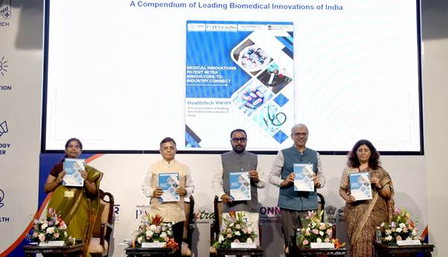
New Delhi, May 25 (IANS) The Indian Council of Medical Research (ICMR) on Monday held India’s largest biomedical and technology transfer facilitation here and 41 public‑health technologies were transferred to industry partners, an official statement said.
The event marked the establishment of country’s first structured platforms dedicated to biomedical innovation showcasing and technology transfer under the ICMR Medical Innovation Patent Mitra initiative.
The initiative aims to translate indigenous biomedical research into accessible, real-world healthcare solutions through strong industry partnerships, the statement from Ministry of Health and Family Welfare said.
Technologies transferred from ICMR institutes and innovators to industry partners include advanced diagnostics, vaccines, medical devices and biomedical solutions addressing critical public health priorities.
Among the technologies transferred were glycoconjugate and recombinant vaccines for Typhoid and Paratyphoid, as well as diagnostic technologies for diseases such as Japanese Encephalitis, Tuberculosis and Mpox.
“This initiative marks a decisive step in connecting Indian science with industry, ensuring that innovations developed in our laboratories translate into technologies that strengthen public health and advance Viksit Bharat,” said Prataprao Ganpatrao Jadhav, Union MoS, Ayush and Health and Family Welfare.
"India is moving from being a consumer of health technologies to becoming a global source of affordable and innovative healthcare solutions, powered by institutions like ICMR and strong industry partnerships,” Jadhav added.
India has the scientific capability and innovation ecosystem to emerge as a global leader in health technologies, Dr Gobardhan Das, Member, NITI Aayog, said.
Medical Innovation Patent Mitra will play a crucial role in protecting intellectual property, enabling technology transfer and accelerating the journey of indigenous innovations from laboratories to society, Das added.
The ‘Indian Biomedical Patent Landscape Report’ and the ‘Technology Compendium’ were also released at the event to strengthen India’s biomedical innovation, intellectual property and technology transfer ecosystem.
The event also showcased over 100 technologies in diagnostics, therapeutics and medical devices developed by ICMR institutes, researchers and startups.
—IANS
aar/pk