

New Delhi, July 23 (IANS) The woe of millions of students in India has turned into a political tug-of-war with parties across the spectrum aggressively airing respective views and interests, refusing to negotiate, all the while heightening tension, friction, and resulting in street fights.
The ongoing youth agitation has once again exposed deep structural fractures in India’s examination systems that need immediate attention and adequate tuning.
The removal of one individual or even an administration will not rectify it; neither will a bouquet of apologies. Making sweeping educational reforms is not just a political imperative, but a national emergency where, to protect the future of millions of students, the country must overhaul its testing system, ensure strict accountability, and rebuild public trust.
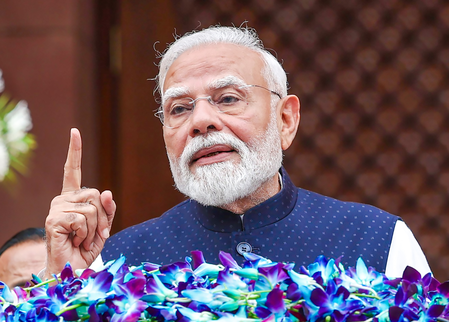
“Nothing is more important than the welfare and future of our youth!” posted Prime Minister Narendra Modi on social media X on Thursday to underscore this core priority.
He also announced the establishment of fast-track courts to ensure swift and stringent punishment for those involved in the paper leaks.
He emphasised that the government has directed officials to take all necessary steps, warning, “Those who try to harm the future of our youth will not be spared”.
Such specialised courts are designed to expedite the trial of serious and long-pending cases, particularly sexual offences, heinous crimes, and civil matters involving vulnerable groups. This decisive push from the highest level of government reflects the urgency required to restore integrity to India’s competitive examinations.
For decades, students have been pouring hours and their families’ savings into preparing for national-level tests, only to see their hard work compromised by systemic vulnerabilities, corruption, and examination paper leaks. What began as demands for accountability and a structural overhaul is turning into a clash of political egos.
To achieve the “foolproof” system called for earlier by the Prime Minister, India must implement several critical examination reforms.
Additionally, punishments for organised syndicates that perpetrate examination fraud should be severe, as indicated by the establishment of a fast-track judicial process. However, examination reforms alone cannot occur in a vacuum; they must be paired with broader, transformative changes in our education system, as has been pointed out many times.
Indian education has long prioritised rote memorisation over critical thinking and analytical skills, say experts.
The curriculum needs to foster creativity, problem-solving, and vocational adaptability. The country’s universities and colleges need significant capacity expansion and quality upgrades so that the immense pressure on a handful of premium institutions is alleviated.
When quality higher education and vocational opportunities are made equally and abundantly available, the destructive, high-stakes nature of these entrance tests will naturally diminish.
PM Modi’s strong public commitment to delivering justice and safeguarding the youth is an important step in acknowledging the gravity of the crisis. It sends a message that the administration recognises the anxiety of young citizens who are deeply worried about their future employment and academic prospects.
However, the real test lies in the participation of all – across the spectrum – in translating the intent and approach into real, on-ground administrative realities. It is also pertinent to look beyond the ongoing agitation as a political tool or liability, rather as a historic opportunity for positive change. The youth are demanding answers, accountability, and a modernised educational framework that rewards genuine merit.
By taking these demands seriously, enacting transparent testing protocols, and reforming the broader educational curriculum, India can build a resilient, future-ready learning environment. The future of the country depends on the talent and potential of its youth; securing that talent requires a bold, unyielding commitment to educational equity and examination integrity.
–IANS
jb/skp