

Washington, March 27 (IANS) Senior US lawmakers and officials are pushing for deeper, more results-driven ties with Pakistan, calling the relationship “complex”.
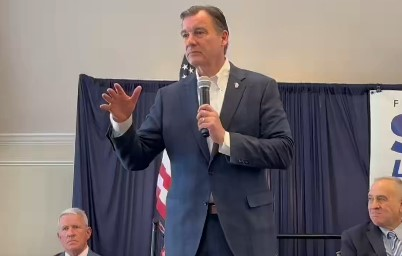
A bipartisan symposium on Capitol Hill, hosted by Tom Suozzi and Jack Bergman, on Wednesday brought together more than 200 policymakers, diplomats, and experts to assess the trajectory of US-Pakistan relations.
“At a time when our country and our world feel increasingly divided, it’s more important than ever to strengthen our relationships with key partners like Pakistan,” Suozzi said.
“The relationship between the United States and Pakistan has been complex, but it is also filled with opportunity, especially when we focus on shared interests like security, economic growth, and human dignity.”
Bergman stressed the importance of dialogue and cooperation across divides. “That kind of unity doesn’t happen by chance. It starts with conversation. It starts with a shared belief that progress is possible when people come together, exchange ideas openly, and engage respectfully,” he said. He added that disagreements must be handled “with respect” to achieve lasting progress.
Pakistan’s Ambassador to the United States, Rizwan Saeed Sheikh, described the relationship as enduring and consequential.
“Pakistan’s relationship is certainly one of the most important and consequential relationships reflected in multiple successful partnerships that unfolded over the past almost eight decades,” he said. “Each time we have come together, it has been consequential beyond the bilateral domain and has actually benefited the whole wide world.”
Assistant Secretary of State S. Paul Kapur said Washington wants tangible outcomes. “We want to ensure the goodwill and high-level attention in the US-Pakistan bilateral relationship translate into concrete benefits for the American and Pakistani people.”
The symposium featured panel discussions on security and economic cooperation. Experts examined regional stability, including Pakistan’s ties with India and China, and the scope for expanding trade and investment.
Michael Kugelman of the Atlantic Council said the partnership is “in a good place” but needs to become more sustainable over time. Touqir Hussain, a former ambassador, cautioned that US policy must go beyond optics. “If America wants good partners, it should have good policies. And the criterion of a good policy should not simply be that it looks good in Washington,” he said.
Security concerns were a key focus. Lisa Curtis warned that the Tehrik-i-Taliban Pakistan (TTP) remains “a dangerous and deadly organization” and stressed the US interest in ensuring Pakistan’s stability. Hassan Abbas highlighted the need to strengthen civilian law enforcement to address terrorism, organised crime and cross-border threats.
On the economic front, Sofyan Yusufi pointed to Pakistan’s push toward digitisation and macroeconomic adjustments but said clearer industrial policy is needed to boost exports and foreign exchange. Esperanza Jelalian of the US Chamber of Commerce said renewed engagement has opened opportunities for private sector investment and called for resolving bilateral trade issues.
“This conference is about learning from the past, understanding where we are today, and charting a smarter, more cooperative path forward between our two countries,” Suozzi said.
–IANS
lkj/rs