

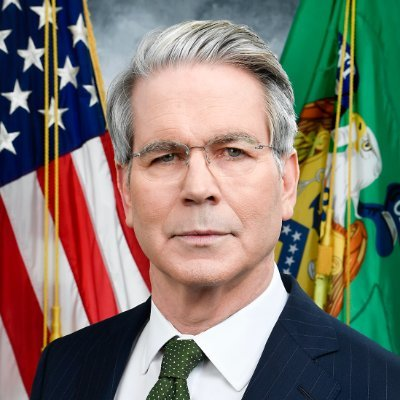
Washington, April 23 (IANS) US Treasury Secretary Scott Bessent defended a temporary sanctions waiver affecting Russian oil, saying it helped prevent a sharper spike in global prices, even as Democrats warned it could boost Moscow’s war finances and keep fuel costs high.
Testifying before a Senate panel, Bessent said the move was aimed at stabilising supply during a volatile period.
“Treasury was able to create the more than 250 million barrels on the water,” he said.
He added that without the waiver, prices could have surged further. “As they came in today, the oil prices are at $100. If we had not done that sanctions relief, they might have been at $150.”
Bessent said the policy was designed to protect consumers. “100 per cent of 100 is less than 80 per cent of 150,” he said.
Democrats pushed back.
Chris Coons said the waiver risks sending billions of dollars to Russia. He argued it undermines pressure on Moscow at a critical time.
“We the folks in Delaware are buying $4 a gallon gas today,” Coons said.
He questioned whether the policy had delivered any real relief.
Bessent rejected claims that Russia or Iran had gained significantly. “I couldn’t disagree more,” he said.
He said the decision to extend the waiver was influenced by global concerns. “I was approached by more than 10 of the most vulnerable and poorest countries… and they asked us to extend that sanction and it’s only for 30 days,” he said.
Lawmakers also flagged rising fuel costs.
Jack Reed said Americans are paying “over $4 a gallon at the pump,” warning that prices remain a burden on households.
Bessent pointed to market trends.
He said the oil market is in “a very steep backwardation,” meaning prices could fall over time.
“I think the conflict will end… gasoline prices will come back to where they were, or perhaps lower,” he said.
The exchange underscored a wider divide in Washington. The administration argues flexibility can steady markets. Critics say it weakens sanctions pressure.
Sanctions on Russian energy have been central to Western policy since the Ukraine war. Governments have tried to limit Moscow’s revenue while avoiding supply shocks.
Oil prices remain sensitive to geopolitical tensions, especially in the Middle East. Any disruption can quickly push up global prices, affecting major importers, including India.
–IANS
lkj/rs