

Gandhinagar, Aug 20 (IANS) Fungal infections are becoming increasingly difficult to treat, with ringworm cases now reported even among urban people who maintain high standards of hygiene, a mycology expert said on Thursday as young doctors were trained on infectious disease management ahead of the 16th annual conference of the Clinical Infectious Diseases Society (CIDSCON-2026) in Gandhinagar.
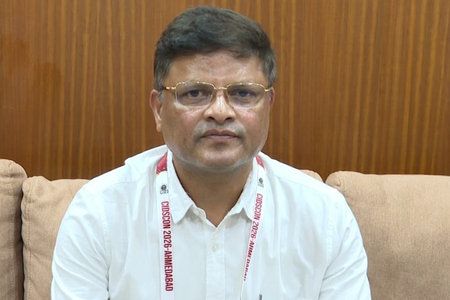
Dr M. R. Shivaprakash, a mycology expert and faculty member at the workshops, said the growing incidence of fungal infections and resistance to antifungal medicines required greater awareness among doctors.
He said that while antibiotic resistance is widely recognised, antifungal resistance also needs attention, particularly because treating serious fungal infections can be complex.
“A basic understanding of which antifungal medicines are effective in serious conditions, such as brain infections, is essential,” Dr Shivaprakash said.
He also highlighted the changing pattern of ringworm, or dermatophytosis.
According to him, the infection could be treated with ordinary ointments about a decade ago, but it has now become increasingly difficult to cure. Even after prolonged treatment, it can spread across the body and to the scalp.
Dr Shivaprakash said the infection was also spreading from animals to humans and from person to person, similar to scabies.
He said it was no longer restricted to rural areas or economically weaker sections, with cases increasingly seen among urban populations and people who maintain high standards of hygiene.
He urged young doctors to ensure accurate diagnosis using appropriate methods and develop a clear understanding of the toxicity and pharmacokinetics of antifungal medicines.
He also called for antifungal stewardship programmes to be kept separate from antibacterial stewardship programmes to help control antifungal resistance.
The workshops for postgraduate resident doctors and young doctors were held at Mahatma Mandir on Thursday as part of the build-up to CIDSCON-2026.
The sessions focused on accurate diagnosis of infectious diseases, modern treatment methods and the appropriate use of antibiotics.
CIDSCON-2026 is being held in Gandhinagar from August 20 to 23, with the main conference scheduled from August 21 to 23. The official theme is “Addressing AMR: From Awareness to Action”.
Dr Harsh Toshniwal, CIDSCON co-organising chairman and Professor and Head of the Department at Shree Swaminarayan Institute of Medical Sciences and Research, Kalol, said the conference is particularly relevant because of its focus on fever and different types of infections.
“Young doctors are advised to avoid unnecessary antibiotics, use them judiciously, and give priority to accurate diagnosis. Antibiotics should be avoided in cases such as viral or seasonal fever, so that their effectiveness could be preserved for future generations,” he said.
Dr Toshniwal said doctors should take a complete patient history, conduct a physical examination and use appropriate laboratory tests to reach an accurate diagnosis.
Microbiologist Dr Anjali Shetty, who travelled from Mumbai to guide the young doctors, said the conference would help spread awareness about infection control, microbiology and infectious diseases across the country.
She described the day’s sessions as highly informative and said they had attracted a large number of doctors.
Dr Chintan Jadav, who participated in the workshop, said such sessions provided valuable guidance to young postgraduate doctors in dealing with day-to-day challenges in clinical practice and delivering better-quality treatment to patients.
The workshops covered five areas. “ID 360: Mastering the Basics” focused on the fundamentals of infectious diseases, detailed case history-taking and basic examination methods.
“Microbiology 360: Diagnostics, Stewardship and Infection Control” covered laboratory diagnosis, appropriate use of medicines, and infection-control practices in hospitals.
“The Zero Defence Challenge: ID in the Immunocompromised” focused on the complex treatment of patients with weakened immunity, including those with diabetes, kidney failure and organ transplants.
Another session, “AI and Technology in ID Practice”, examined the use of artificial intelligence and modern technology to diagnose and treat infectious diseases.
The “ID Issues in Surgical Practice” workshop addressed infection prevention during and after surgery and the appropriate use of antibiotics.
The wider CIDSCON programme is set to bring together infectious disease specialists, clinicians, researchers, microbiologists and other healthcare professionals, with more than 950 delegates expected to participate.
Its programme includes discussions on antimicrobial resistance, tropical infections, tuberculosis, HIV, fungal infections, virology, infection control, antimicrobial stewardship and infections among immunocompromised patients.
–IANS
mys/dan