

Pauri Garhwal, May 2 (IANS) An atmosphere of fear and anger continues to grip parts of Uttarakhand’s Pauri Garhwal district as repeated incidents of leopard attacks have left residents deeply distressed, prompting the Forest Department to intensify measures aimed at curbing human-animal conflict.
The situation worsened after a fatal attack on April 24, when a 62-year-old woman, Sita Khanduri, was killed in Bamthi village under the Pauri block.
The incident marked the fifth death caused by a leopard in the area and has led to growing resentment among villagers. Officials said this is the 23rd death resulting from wildlife attacks reported in the state so far this year.
According to accounts from the day of the incident, the victim was carrying out routine household work near her home when a leopard, reportedly lying in wait, suddenly attacked and killed her. Since then, fear has spread across the village, with residents hesitant to step out of their homes.
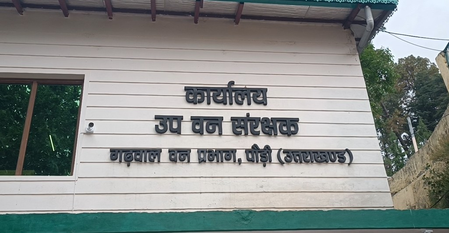
In response, the Forest Department has stepped up its operations. Providing an update, Garhwal Divisional Forest Officer Mahitam Yadav said teams are actively patrolling the affected areas around the clock.
“Surveillance has been significantly intensified during the evening hours to closely monitor the leopard’s movements. Five cages have been deployed in the affected zone; additionally, trap cameras and solar-powered cameras have been installed to track the leopard’s exact location,” Yadav told IANS.
He added that clear instructions have been issued by higher authorities regarding handling the situation. The primary aim is to capture the leopard at the earliest, followed by efforts to control it if needed, while elimination has been kept as a last resort.
Mahitam Yadav said the entire Forest Department team is working continuously and making all possible efforts to capture the animal as soon as possible. Residents in the area have also been advised to remain alert, while the department has assured all necessary support to the local population.
However, villagers have alleged that despite repeated incidents in the past, adequate preventive action was not taken in time, allowing the situation to escalate. They have demanded immediate steps to capture the leopard and restore a sense of safety in the region.
The incident is part of a wider pattern of human-wildlife conflict in Uttarakhand. On April 22, a woman was killed in a similar leopard attack in Nainital.
Earlier, on April 11, villagers in Balmara in Pauri Garhwal district locked over 15 officials from the block administration and Forest Department inside a panchayat office during a meeting convened to address the threat posed by a man-eating leopard that had already claimed two lives within a week. The most recent victim at that time was 45-year-old Prakash Lal, who was attacked and killed while returning home from work.
The agitated villagers later released the officials after they were assured that the leopard would be captured or eliminated within a few days.
Government data indicates that wild animals, including leopards and bears, have killed more than 100 people in the state over the past five years.
However, locals claim the actual number is much higher, attributing the rise in attacks to increased human intrusion into forest areas due to road expansion and development activities.
Acknowledging the seriousness of the situation, Chief Minister Pushkar Singh Dhami earlier this month announced an increase in compensation for families of victims killed in wildlife attacks, raising it from Rs 6 lakh to Rs 10 lakh.
He also set aside Rs 5 crore for a dedicated programme aimed at rescuing wild animals that stray into human settlements, along with an additional allocation of Rs 131 crore to develop a comprehensive mechanism to address and reduce incidents of human-animal conflict in the state.
–IANS
sd/uk