

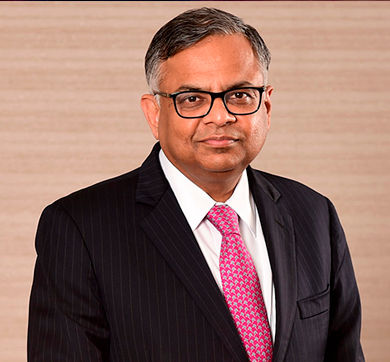
New Delhi, June 7 (IANS) Tata Motors Limited will continue investing in electric and hydrogen-based technologies for its commercial vehicle business as the shift towards cleaner mobility accelerates, Chairman Natarajan Chandrasekaran said in his message to shareholders in the company’s annual report for 2025-26.
Chandrasekaran said the transition to sustainable transportation cannot rely on a single technology and will require a mix of electric vehicles, hydrogen-powered solutions and cleaner internal combustion engine (ICE) technologies.
He noted that while Tata Motors is expanding its portfolio of zero-emission electric commercial vehicles, it will also continue investing in hydrogen technologies, particularly for heavier-duty transport segments.
The Tata Motors chairman highlighted that the global mobility landscape is undergoing rapid transformation driven by clean energy adoption, higher safety expectations and changes in global supply chains.
He added that advances in digital technologies and artificial intelligence are reshaping the way mobility products are designed, used and supported.
According to Chandrasekaran, geopolitical uncertainties and uneven economic recovery across regions are adding to industry challenges, making agility and resilience critical for long-term competitiveness.
Looking ahead, he said Tata Motors remains focused on profitable growth and is well-positioned to capitalise on emerging mobility opportunities.
The company plans to maintain disciplined capital allocation while investing in future technologies such as connected vehicle platforms, advanced driver assistance systems, data-driven fleet services, digital mobility solutions and next-generation powertrains.
Chandrasekaran also highlighted the company’s financial performance during FY26. Tata Motors recorded its highest-ever revenue of Rs 83,855 crore during the year, compared with Rs 76,359 crore in FY25 — reflecting a year-on-year growth of 9.8 per cent.
He further informed shareholders that profitability improved significantly, with the automotive business delivering a return on capital employed of 72.3 per cent, one of the highest levels in the global commercial vehicle industry.
The chairman said the company will continue focusing on industry-leading growth, profitability and returns while building capabilities that will define the future of safe, efficient and intelligent commercial mobility.
–IANS
pk